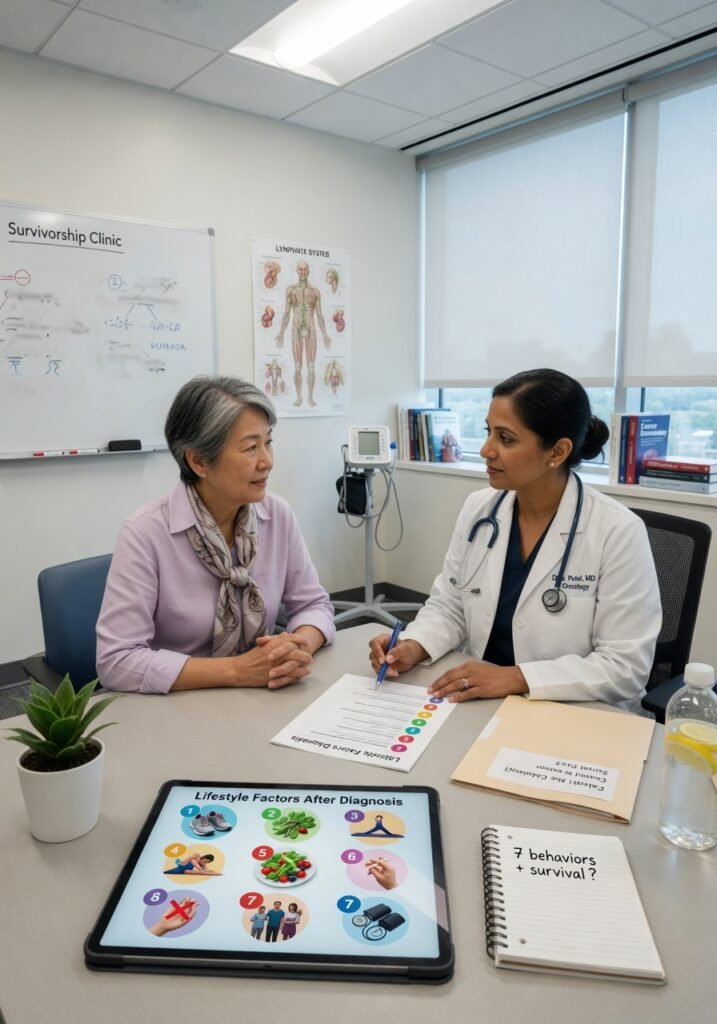
Following a cancer diagnosis, patients often seek ways to improve their prognosis and quality of life. While medical treatments remain the cornerstone of cancer care, emerging research indicates that specific lifestyle behaviors may play a meaningful role in extending survival and promoting long-term health outcomes for cancer survivors.
The Power of Post-Diagnosis Lifestyle Changes
Oncologists and researchers increasingly recognize that what patients do after their cancer diagnosis can significantly influence their recovery trajectory. Several well-documented behaviors have shown promise in helping cancer survivors achieve better health outcomes and potentially extend their lifespan.
Seven Key Behaviors for Cancer Survivors
1. Regular Physical Activity – Exercise has demonstrated benefits for cancer survivors, including improved cardiovascular health, better weight management, and enhanced mental well-being. Moderate aerobic activity combined with strength training may support recovery.
2. Nutritional Excellence – A diet rich in fruits, vegetables, and whole grains while limiting processed foods can support immune function and overall health during and after cancer treatment.
3. Maintaining Healthy Weight – Obesity is linked to increased cancer recurrence risk. Weight management through balanced nutrition and exercise may improve survival outcomes.
4. Limiting Alcohol Consumption – Reducing or eliminating alcohol intake can decrease the risk of cancer recurrence and support liver function during recovery.
5. Smoking Cessation – Quitting smoking eliminates a major risk factor for cancer and secondary malignancies while improving overall health.
6. Stress Management – Practices like meditation, mindfulness, and counseling help reduce psychological burden and may support immune function.
7. Regular Medical Follow-up – Consistent monitoring through scheduled appointments and screenings enables early detection of recurrence or new cancers.
Evidence-Based Recommendations
Leading cancer research institutions continue to study how lifestyle factors influence survival rates. Most recommendations align with general health promotion strategies, making them accessible for most survivors regardless of cancer type or stage.
Important Considerations
While these behaviors show promise, cancer survivors should develop personalized plans with their oncology team. Individual circumstances, cancer type, treatment history, and overall health status all factor into appropriate recommendations. Any significant lifestyle changes should be discussed with healthcare providers to ensure safety and effectiveness.