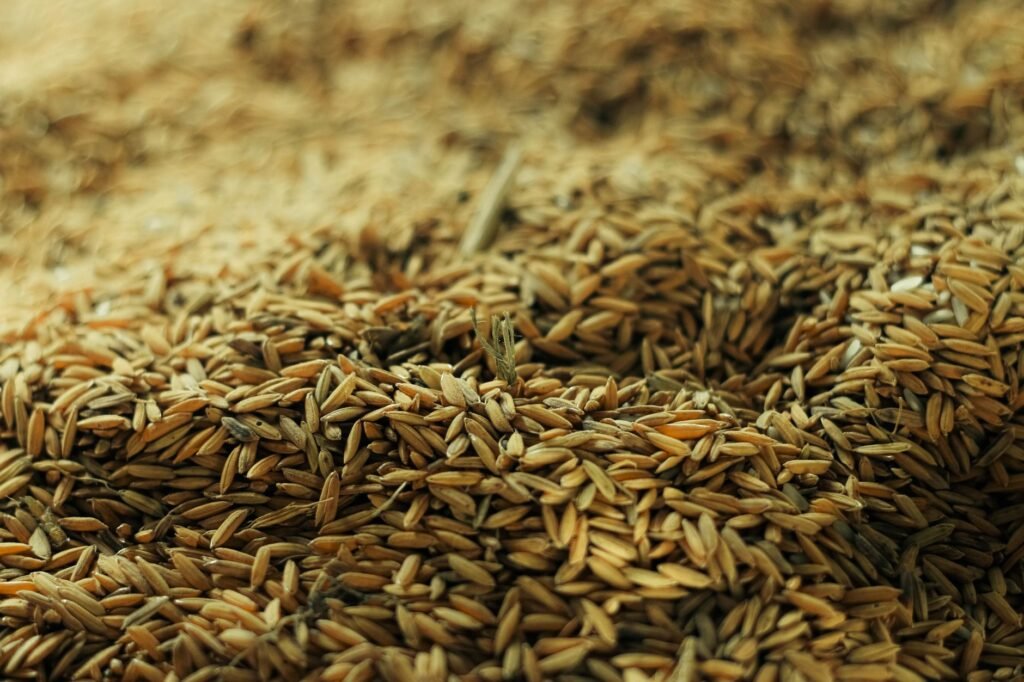
What you are about to read could change how you think about your health. A compound in rice bran may help calm an overactive gut by reducing the calcium signals that cause intestinal muscles to contract. Ferulic acid suppressed contractions triggered by several chemical messengers in laboratory experiments. The discovery could eventually support new dietary approaches for diarrhea-related digestive disorders, although it may make constipation worse. This report from ScienceDaily Health, published July 30, 2026, is generating significant attention in the medical community — and for good reason.
The implications for everyday health decisions are significant. As researchers continue to uncover new findings in the field of rice bran compound help, patients and healthcare providers alike are paying close attention to what the data reveals.
Here is what the science actually says — and what you need to do right now.
What the New Research Actually Found
The findings related to Rice bran compound may help ease irritable bowel symptoms are raising eyebrows among medical professionals. While individual studies must always be interpreted within the broader context of existing evidence, this report adds meaningful data to our understanding of rice bran compound help and its impact on long-term health outcomes.
Medical experts note that peer-reviewed research — especially from reputable institutions — deserves serious attention even when it challenges conventional thinking. The key is understanding what the data actually says versus what it does not say.
Why This Matters More Than You Think
For millions of Americans, news like this has direct real-world implications. Whether it affects your medication choices, your diet, your exercise routine, or your approach to preventive care — understanding the full picture is essential.
The stakes are high: decisions made today based on emerging health research can have lasting consequences for your wellbeing. That is why medical professionals are urging people to pay attention and have informed conversations with their doctors.
What Experts Are Saying
Leading physicians and researchers are responding to these findings with a mix of cautious optimism and measured concern. While the science continues to evolve, the consensus among healthcare professionals is clear: this is a development worth discussing with your medical team.
Board-certified specialists emphasize that the strongest evidence comes from large-scale, peer-reviewed clinical trials. However, even emerging data — when it comes from credible sources — provides valuable signals that deserve investigation.
The Background You Need to Know
To put this in proper context, it helps to understand how long researchers have been studying rice bran compound help and what the existing body of evidence shows. Scientific understanding in this area has evolved considerably over the past decade, driven by advances in technology, genomics, and large-scale population studies.
Public health agencies including the NIH, CDC, and WHO have established guidelines based on decades of accumulated evidence. New findings either reinforce or challenge these guidelines — and in either case, they matter enormously for clinical practice.
5 Things You Should Do Right Now
- Talk to your doctor — bring this research to your next appointment and ask how it applies to your personal health situation
- Do not self-diagnose or self-treat — one study rarely changes clinical recommendations overnight
- Stay informed — follow credible sources like the NIH, Mayo Clinic, and CDC for updates
- Maintain healthy fundamentals — balanced diet, regular exercise, quality sleep, and stress management remain universally beneficial
- Keep up with preventive screenings — early detection saves lives regardless of emerging research
Questions to Ask Your Doctor
- How does this research apply to my specific health history and risk factors?
- Should I consider any changes to my current treatment or prevention plan?
- Are there additional tests or screenings I should consider?
- What would you recommend I monitor going forward?
The Bottom Line
This latest development from ScienceDaily Health is another reminder that health science is always evolving. The most empowering thing you can do is stay informed, ask the right questions, and work closely with your healthcare team to make the best decisions for your individual situation.
Do not wait. Have that conversation with your doctor today.
Source: ScienceDaily Health — July 30, 2026
