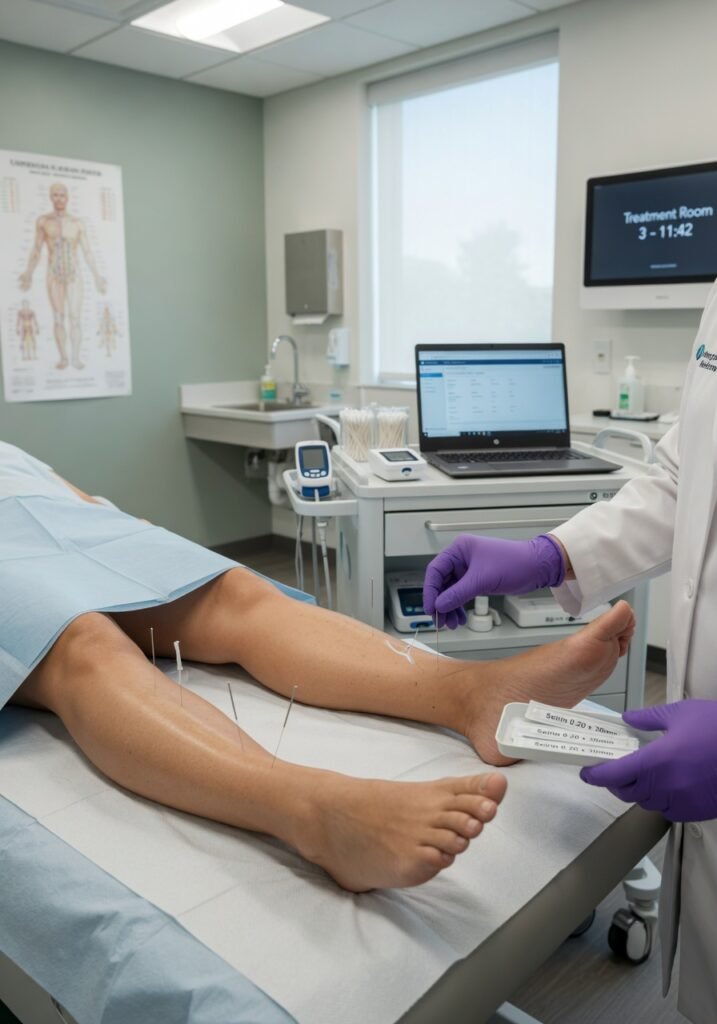

Acupuncture: What Science Says About Benefits
Let me start with what most patients get wrong: acupuncture isn’t some mysterious energy medicine that defies Western scientific explanation. Sarah, a 54-year-old accountant I treated last year, came in convinced that acupuncture worked through “chi” flowing through invisible meridians, and she was skeptical it could possibly be real. What surprised her—and what surprises most people—is that acupuncture triggers measurable physiological changes. Those thin needles actually stimulate nerves, release neurotransmitters, and modulate inflammatory pathways. The ancient practice isn’t magical; it’s just neurology we didn’t fully understand until recently.
The real question isn’t whether acupuncture “works”—it’s what specific conditions it reliably helps and how well it compares to other treatments. That distinction matters because acupuncture genuinely benefits some patients while disappointing others, and you deserve to know exactly where the evidence stands.
Key Facts About Acupuncture
- The NIH National Center for Complementary and Integrative Health reports that 14.8 million American adults have used acupuncture, with approximately 3.5 million acupuncture visits occurring annually
- A 2017 JAMA study of 18,000 patients found acupuncture provided modest but clinically meaningful pain relief for osteoarthritis and chronic lower back pain compared to sham acupuncture
- Acupuncture needles range from 0.25mm to 0.40mm in diameter—thinner than standard hypodermic needles—and typically penetrate 0.5 to 3 inches below the skin surface depending on needle location and patient anatomy
- Research shows acupuncture appears more effective when combined with conventional physical therapy than either treatment alone, with response rates improving by 25-35% when multimodal treatment is used
- The average course of acupuncture treatment involves 6-12 sessions over 4-8 weeks, with each session lasting 20-40 minutes, though chronic conditions may require longer treatment duration
Understanding How Acupuncture Actually Works
Here’s what happens physiologically: when an acupuncture needle penetrates your skin, it stimulates sensory nerves—particularly small-diameter nerve fibers that normally carry pain signals. This sensory stimulation triggers what’s called the “gate control” mechanism, where competing signals essentially close the “gate” on pain transmission to your brain. Think of it like how rubbing a bumped knee works, except much more targeted and specific to acupuncture points.
But that’s just the beginning. The needle also recruits your nervous system to release endogenous opioids—your body’s natural painkillers—along with other neurotransmitters like serotonin and dopamine. Brain imaging studies show that acupuncture actually activates your prefrontal cortex and other regions involved in pain perception and emotional regulation. Additionally, acupuncture reduces inflammatory cytokine production in local tissues, which explains why it helps conditions like osteoarthritis where inflammation drives symptoms.
The meridian system from traditional Chinese medicine doesn’t match modern anatomy perfectly, but here’s what’s fascinating: many classical acupuncture points correspond remarkably well with locations where nerves cluster or where they pass through fascial layers. So the ancient practitioners intuited something valid, even if their explanation was filtered through 2,000 years of cultural and philosophical frameworks rather than neuroscience.
What Conditions Respond Best to Acupuncture
The evidence divides clearly into three categories. First, conditions with strong scientific support: chronic lower back pain, osteoarthritis of the knee, and neck pain. A 2020 Cochrane review confirmed acupuncture beats placebo for these, though the advantage over physical therapy alone is modest—typically 10-15% additional pain reduction beyond what you’d get from exercise.
Second, conditions with emerging evidence: tension headaches, migraines, and chemotherapy-induced nausea. Studies suggest real benefit here, but we need larger trials to establish optimal protocols. Acupuncture for migraine prevention shows particularly promising results, with some patients experiencing 30-50% reduction in migraine frequency.
Third, conditions where evidence remains weak or contradictory: infertility, fibromyalgia, and anxiety. Some trials show benefit; others show no advantage over placebo. I don’t recommend acupuncture as a primary treatment for these without also pursuing evidence-based alternatives like cognitive behavioral therapy, medication, or fertility specialists.
One factor most articles skip: how much pain or dysfunction you’ve already developed matters enormously. Early-stage osteoarthritis responds better than advanced, bone-on-bone arthritis. Acupuncture works best as prevention or early intervention, not as a last resort when joints are severely damaged.
Risk Factors and Who Shouldn’t Get Acupuncture
Acupuncture is remarkably safe when performed by a licensed practitioner, but specific situations require caution. Patients taking anticoagulants like warfarin or apixaban face increased bruising and, theoretically, bleeding complications—not usually dangerous, but worth discussing with your doctor first. Thrombocytopenia (low platelet count) creates similar concerns.
Pregnancy isn’t a blanket contraindication, but certain points should be avoided, particularly those innervated by sacral nerves. A qualified acupuncturist trained in obstetric acupuncture will know this; casual practitioners might not. If you’re pregnant, verify your acupuncturist has specific training in prenatal care.
Here’s what often gets overlooked: pneumothorax risk. If an acupuncturist places needles too deeply in the upper chest or between ribs, they can puncture the pleural space and collapse a lung. This is rare with properly trained practitioners but happens frequently enough that you should confirm your acupuncturist has formal anatomical training, not just weekend certification.
Patients with severe needle phobia sometimes experience vasovagal reactions—sudden drops in heart rate and blood pressure causing dizziness or fainting. It’s not dangerous but profoundly unpleasant, and if this describes you, acupuncture probably isn’t worth pursuing.
What Patients Actually Experience
During your first visit, a licensed acupuncturist will take a detailed history asking about your medical background, current symptoms, digestion, sleep patterns, and stress levels. They’ll examine your tongue and palpate your pulse—this isn’t diagnostic in the Western sense but informs their treatment approach. The needles themselves feel like a small pinch upon insertion, then often nothing at all. Some people describe a heavy, dull, or electric sensation called “de qi,” which practitioners consider a sign of effective treatment activation.
Most sessions involve 5-20 needles placed in specific locations, left in place for 20-40 minutes while you rest in a calm room. Many patients report profound relaxation during treatment—almost a meditative state. After needles are removed, some feel energized; others feel deeply calm. Pain relief sometimes occurs immediately but frequently develops over several treatments, taking 2-3 weeks to become apparent.
Early warning signs that acupuncture may not be helping: if you’ve completed 6 sessions and notice zero improvement in your primary complaint, continued treatment becomes less likely to produce results. Studies show response typically emerges within this window; if nothing’s changed by then, a different approach makes sense.
The Diagnosis Phase: What to Expect
Acupuncture practitioners don’t run blood tests or imaging to diagnose conditions—they work within your existing diagnosis from your primary care doctor or specialist. If you have chronic lower back pain, your acupuncturist asks what imaging or testing you’ve already had, reviews that documentation if available, and assesses which type of pain pattern you experience: burning, stabbing, dull ache, or radiating.
The “four examinations” in acupuncture—looking, listening, asking, and touching—guide treatment selection. Your practitioner evaluates your posture, how you move, your skin color, the quality of your voice, and specific points of tenderness. They’re gathering information to determine which acupuncture points and needling techniques will likely help your particular presentation.
This process takes 45-60 minutes initially, which is why first appointments cost more. Subsequent visits run shorter once your practitioner understands your condition’s nuances.
Treatment Options and What Works Best
Standard acupuncture remains the most studied form, but several variations exist. Electroacupuncture—where a gentle electric current connects to needles—enhances treatment for pain, though patients find it less relaxing. Dry needling, performed by physical therapists, targets muscle trigger points directly and often requires less treatment time than traditional acupuncture for musculoskeletal pain.
Combining acupuncture with physical therapy produces better outcomes than either alone. If you have osteoarthritis, pairing acupuncture with supervised exercise targeting quadriceps strength yields superior results compared to acupuncture with home-based stretching.
For pain management specifically, acupuncture works best as an adjunct to NSAIDs like naproxen or ibuprofen when you tolerate these medications, or as an alternative if you can’t take NSAIDs due to kidney disease or GI ulcers. It shouldn’t replace prescription analgesics for acute severe pain or cancer-related pain but can meaningfully reduce your overall medication requirements in chronic conditions.
Daily Management and Practical Strategies
If you’re pursuing acupuncture for chronic pain, consistency matters tremendously. Spacing treatments more than 2 weeks apart typically diminishes effectiveness because the neurological effects of acupuncture last roughly 7-10 days. Budget for weekly or biweekly appointments initially, not sporadic visits when pain flares.
Keep a simple pain journal noting location, severity (0-10 scale), and what activities make it worse. Share this at each appointment—it tracks whether treatment progresses and helps your acupuncturist adjust needling locations. After four sessions, you should notice some change, even if subtle.
Avoid intense exercise immediately after acupuncture. Your nervous system is in a parasympathetic-dominant state (relaxed), and jumping into strenuous activity can feel jarring. Gentle walking and stretching work fine, but save your weightlifting or running for several hours post-treatment.
Hydration matters more than practitioners typically emphasize. Acupuncture causes local fluid shifts, and dehydration can worsen bruising and reduce treatment efficacy. Drink water regularly throughout the day surrounding your appointments.
Prevention: Does Acupuncture Keep Conditions From Developing?
Limited evidence supports acupuncture for primary prevention of conditions you don’t yet have. You can’t prevent osteoarthritis by getting acupuncture if your knees are perfectly healthy. However, once you have chronic pain or a diagnosed condition, regular acupuncture maintenance sessions—perhaps monthly—may reduce symptom flare frequency. Studies show this works better for migraine prevention than for other conditions; a monthly session reduced migraines by 20-30% in some trials.
The stronger prevention strategy combines acupuncture with evidence-based interventions: weight loss if overweight, exercise for joint protection, ergonomic workplace modification, and stress management. Acupuncture isn’t either-or; it’s an addition to these fundamental approaches.
Frequently Asked Questions
Sources & Medical References
HealthTopics.com articles are based on peer-reviewed medical research and guidance from the NIH, CDC, and WHO. See our editorial policy for full sourcing standards.