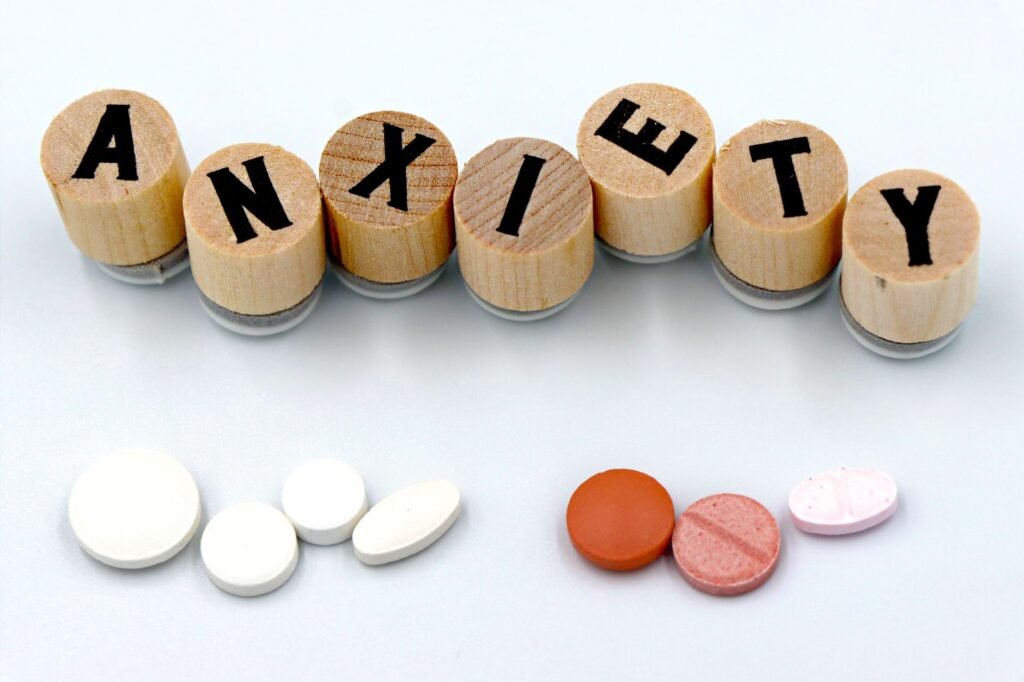
Understanding Anxiety Disorders is an essential part of proactive health management. This comprehensive guide covers what you need to know about Anxiety Disorders from causes and symptoms to diagnosis, treatment, and long-term management.
Anxiety Disorders falls within the broader field of Mental Health. It affects millions of people and has been the subject of extensive medical research aimed at improving outcomes and quality of life.
What Is Anxiety Disorders?
Anxiety Disorders is a condition within the domain of Mental Health that affects the body in specific ways, often requiring medical care, lifestyle modification, and ongoing monitoring. Presentations can range from mild to complex, and experiences vary considerably from person to person.
Causes and Risk Factors
- Genetics and family history — inherited predispositions can significantly influence risk
- Lifestyle factors — physical activity level, dietary habits, sleep quality, and substance use
- Environmental exposures — occupational hazards, pollutants, and geographic factors
- Age and sex — risk profiles often differ across age groups and biological sexes
- Existing health conditions — comorbidities can increase vulnerability or complicate management
Signs and Symptoms
Recognizing the signs associated with Anxiety Disorders early is crucial. Symptoms can vary widely between individuals, and some people experience few obvious signs in the early stages — one reason why routine medical checkups are so valuable.
Diagnosis
Diagnosing Anxiety Disorders typically involves a thorough review of your medical history, a physical examination, and targeted diagnostic tests such as blood tests, imaging studies, or other specialized evaluations.
Treatment Options
- Lifestyle modifications: Diet optimization, regular physical activity, sleep improvement, and stress reduction
- Medications: Prescription and over-the-counter options targeting specific symptoms or underlying mechanisms
- Therapeutic interventions: Physical therapy, cognitive behavioral therapy, and other evidence-based modalities
- Procedures or surgery: Reserved for cases where other treatments have not provided adequate relief
Prevention Strategies
Adopting a balanced diet, engaging in at least 150 minutes of moderate exercise per week, maintaining a healthy weight, avoiding tobacco, limiting alcohol, managing stress, and attending regular preventive screenings are all proven strategies.
Living Well With This Condition
Many people living with Anxiety Disorders lead full, active lives by working closely with their healthcare teams. Patient advocacy organizations and support groups can provide invaluable practical advice and emotional support.
When To See a Doctor
- Sudden onset or rapid worsening of symptoms
- Symptoms that significantly interfere with daily activities
- New or unexplained symptoms
- Side effects from current treatments
- Questions about whether your current management plan is still appropriate
Frequently Asked Questions
Is Anxiety Disorders preventable?
In many cases, risk can be meaningfully reduced through lifestyle modifications and proactive healthcare. Speak with your doctor about personalized prevention strategies.
How is Anxiety Disorders typically diagnosed?
Diagnosis involves medical history review, physical examination, and targeted testing. Your healthcare provider will determine the most appropriate diagnostic pathway.
What lifestyle changes are most beneficial?
Diet quality, regular physical activity, consistent sleep, and effective stress management consistently rank among the most impactful factors.
Are there support resources available?
Yes. National patient advocacy organizations and online communities offer education, peer support, and practical resources for most health conditions.
Key Takeaways
- Anxiety Disorders is a significant health topic within Mental Health that benefits from early recognition
- Risk is shaped by a combination of genetic, environmental, and lifestyle factors
- Accurate diagnosis and personalized treatment are essential for optimal outcomes
- Prevention through healthy lifestyle habits remains one of the most powerful tools available
- Open communication with your healthcare provider is the cornerstone of effective management
