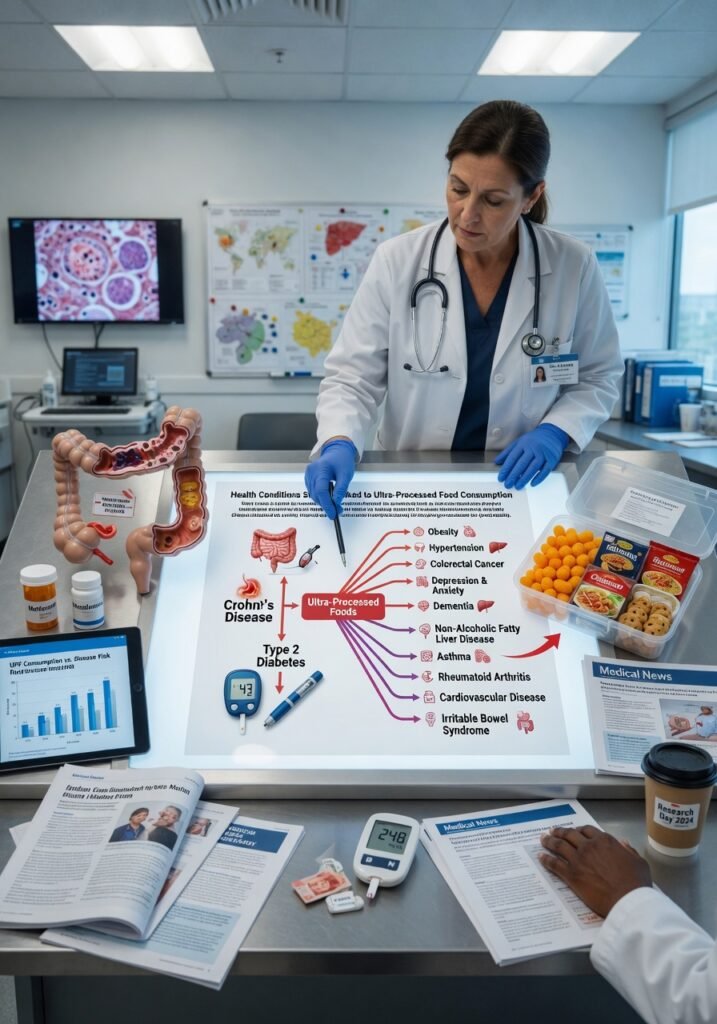
Recent research continues to demonstrate a significant correlation between the consumption of ultra-processed foods and the development of multiple serious health conditions. Scientists have identified at least a dozen health issues that appear to be more prevalent in individuals who regularly consume highly processed dietary products.
Ultra-processed foods—products that contain high levels of added sugars, unhealthy fats, artificial additives, and preservatives—have become staples in modern diets. However, mounting evidence suggests this dietary shift carries substantial health consequences.
The Link Between Processed Foods and Inflammatory Bowel Disease
Among the most significant findings is the connection between ultra-processed food consumption and Crohn’s disease. The artificial additives and lack of natural fiber in processed foods may trigger intestinal inflammation and disrupt the delicate balance of gut bacteria, potentially exacerbating or contributing to the development of inflammatory bowel conditions.
Type 2 Diabetes and Metabolic Dysfunction
The relationship between processed foods and type 2 diabetes remains one of the most well-documented associations. High sugar content, refined carbohydrates, and unhealthy fats in these products contribute to insulin resistance and elevated blood glucose levels over time.
Additional Health Concerns
Beyond Crohn’s disease and diabetes, research has identified connections to cardiovascular disease, obesity, depression, cognitive decline, certain cancers, liver disease, kidney dysfunction, hypertension, and autoimmune disorders. Each condition appears to be influenced by different aspects of ultra-processed food formulations.
Understanding the Mechanisms
The harmful effects likely stem from multiple factors: artificial food additives may trigger immune responses, excessive sodium increases blood pressure, trans fats damage cardiovascular health, and the absence of protective nutrients like fiber and antioxidants leaves consumers vulnerable to disease.
Healthcare professionals increasingly recommend prioritizing whole, minimally processed foods as a foundational strategy for disease prevention and long-term health maintenance.