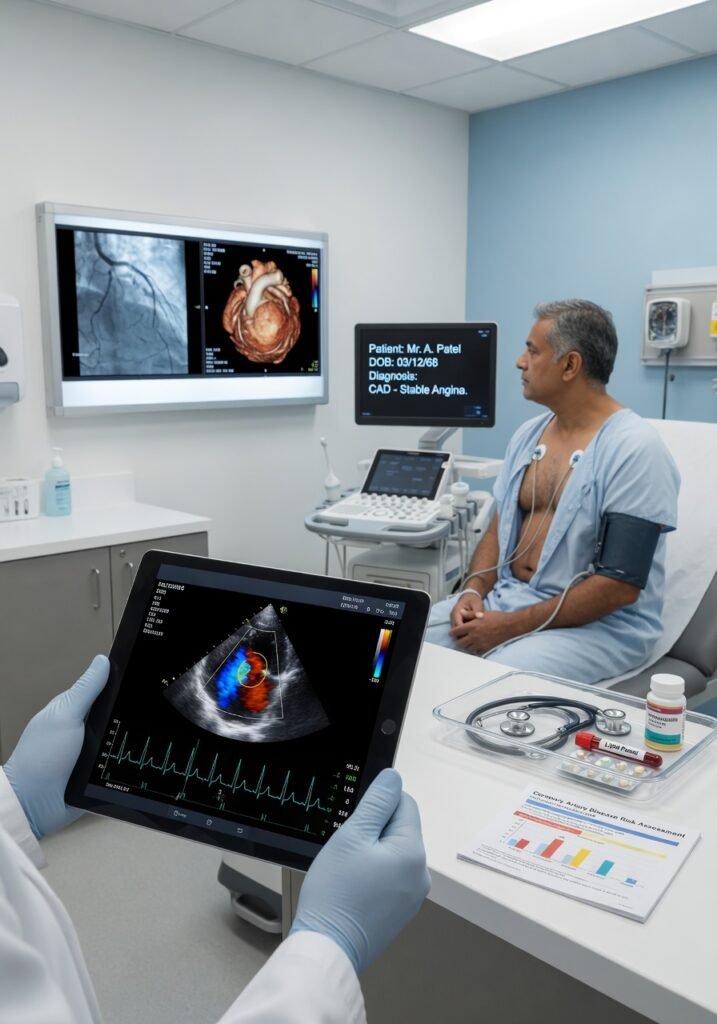

Heart Disease: Understanding Risk Factors, Prevention, and Treatment
Heart disease remains the leading cause of death in the United States, claiming approximately one life every 34 seconds. This umbrella term encompasses several conditions affecting the heart and blood vessels, including coronary artery disease, heart failure, arrhythmias, and valvular disease. While the statistics are sobering, the encouraging news is that heart disease is largely preventable and manageable through lifestyle modifications, medical interventions, and early detection. Understanding your personal risk factors and taking proactive steps can significantly improve your cardiovascular health and quality of life.
What Is Heart Disease?
Heart disease refers to any condition that impairs the structure or function of your heart. The most common form is coronary artery disease (CAD), which occurs when fatty plaques build up inside the coronary arteries that supply blood to the heart muscle. This buildup narrows the arteries and restricts blood flow, potentially leading to heart attacks.
Other significant types include:
- Heart failure — the heart becomes weakened and cannot pump enough blood to meet the body’s needs
- Arrhythmias — irregular heartbeats that may be too fast, too slow, or erratic
- Valvular disease — damage to the heart’s valves prevents proper blood flow direction
- Cardiomyopathy — disease of the heart muscle itself, making it thicker or weaker
- Peripheral arterial disease — narrowing of arteries in the legs and other extremities
- Stroke and transient ischemic attack (TIA) — reduced blood flow to the brain
The progression of heart disease often develops silently over years or decades before symptoms appear, making prevention and early screening essential.
Key Facts
- Approximately 1 in 5 deaths in the U.S. are caused by heart disease
- High blood pressure affects nearly half of American adults and significantly increases heart disease risk
- Lifestyle changes alone can reduce heart attack risk by up to 80 percent
- Women often experience different heart attack symptoms than men, leading to delayed diagnosis
- Regular physical activity can reduce cardiovascular disease risk by 35 percent
Causes and Risk Factors
Heart disease develops through a combination of genetic predisposition and modifiable lifestyle factors. Understanding which risks you can control empowers you to take meaningful action.
Non-modifiable risk factors include age (men over 45, women over 55), family history of early heart disease, and certain genetic conditions like familial hypercholesterolemia. If your parents or siblings experienced heart disease before age 55, your risk is substantially elevated.
Modifiable risk factors are those you can change:
- High blood pressure — damages artery walls over time, accelerating plaque formation
- High cholesterol — LDL cholesterol deposits in arteries; HDL cholesterol protects against disease
- Smoking — directly damages blood vessel walls and increases clot formation
- Diabetes — high blood sugar damages blood vessels and increases inflammation
- Obesity — excess weight increases strain on the heart and elevates blood pressure
- Physical inactivity — sedentary lifestyle weakens the heart muscle
- Poor diet — diets high in saturated fats, sodium, and processed foods promote atherosclerosis
- Chronic stress — elevates cortisol levels and increases blood pressure
- Excessive alcohol consumption — weakens the heart muscle and raises blood pressure
Signs and Symptoms
Heart disease symptoms vary depending on the specific condition and individual factors. Some people experience warning signs years before a heart attack occurs, while others have no symptoms until a major event.
Common symptoms of coronary artery disease include:
- Chest pain or pressure (angina), especially during exertion or stress
- Shortness of breath, particularly with physical activity
- Unusual fatigue or weakness
- Pain radiating to the arm, jaw, neck, or back
- Lightheadedness or dizziness
Heart attack symptoms develop suddenly and may include severe chest pain, cold sweats, nausea, and pain extending to the left arm or jaw. Women may experience atypical symptoms like unexplained fatigue, shortness of breath without chest pain, or stomach discomfort.
Heart failure symptoms include persistent shortness of breath, swelling in the legs and ankles, frequent nighttime urination, and fatigue that worsens with activity.
Diagnosis Process
Early diagnosis dramatically improves outcomes. Your doctor will begin with a thorough medical history and physical examination, checking your blood pressure, heart rate, and listening for abnormal sounds with a stethoscope.
Common diagnostic tests include:
- Blood tests — measure cholesterol levels, triglycerides, blood glucose, and cardiac biomarkers like troponin
- Electrocardiogram (ECG) — records electrical activity of the heart to detect arrhythmias or previous damage
- Stress test — monitors heart function while you exercise on a treadmill or stationary bike
- Echocardiogram — ultrasound imaging shows heart structure, function, and valve movement
- Coronary angiography — specialized X-ray using contrast dye reveals blockages in coronary arteries
- CT or MRI scanning — provides detailed images of the heart and surrounding vessels
- Holter monitor — portable ECG device records heart rhythms over 24-48 hours during daily activities
Treatment Options
Treatment depends on the specific heart condition, severity, and individual patient factors. Most treatment plans combine lifestyle modifications with medications and sometimes procedures.
Medications commonly prescribed include:
- Statins — reduce cholesterol production and stabilize plaque
- ACE inhibitors or ARBs — lower blood pressure and reduce heart strain
- Beta-blockers — slow heart rate and reduce blood pressure
- Diuretics — remove excess fluid to reduce heart workload
- Antiplatelet agents — aspirin or clopidogrel prevent dangerous clots
- Anticoagulants — prevent blood clots in specific conditions like atrial fibrillation
Invasive procedures may be necessary when medications alone are insufficient:
- Angioplasty and stent placement — opens blocked arteries using a balloon catheter and installs a metal stent
- Coronary artery bypass grafting (CABG) — surgical procedure creating new routes for blood around blockages
- Heart transplantation — reserved for severe heart failure when other treatments fail
- Pacemakers and defibrillators — electrical devices regulate dangerous arrhythmias
- Valve repair or replacement — corrects damaged valves
Living With and Managing Heart Disease
Successful heart disease management extends far beyond medical treatment. Ongoing lifestyle adjustments are crucial for preventing progression and recurrence.
Regular follow-up appointments with your cardiologist allow for medication adjustments and monitoring of your condition. Cardiac rehabilitation programs, typically offered after a heart attack or surgery, combine supervised exercise, education, and counseling to optimize recovery.
Monitoring your symptoms is essential. Keep a log of chest pain episodes, shortness of breath, unusual fatigue, or palpitations. Report any changes to your healthcare provider promptly. Many patients benefit from home blood pressure monitors to track readings regularly.
Medication adherence is critical — missing doses or stopping medications without medical guidance increases your risk of complications. If side effects concern you, discuss alternatives with your doctor rather than abandoning treatment.
Prevention Strategies
Tips
- Exercise at least 150 minutes weekly of moderate-intensity aerobic activity, plus strength training twice weekly
- Adopt a heart-healthy diet like the Mediterranean or DASH diet emphasizing vegetables, whole grains, lean proteins, and healthy fats
- Limit sodium intake to less than 2,300 mg daily; ideally aim for 1,500 mg
- Quit smoking completely — your risk decreases significantly within one year of cessation
- Maintain a healthy weight with a BMI between 18.5 and 24.9
- Manage stress through meditation, yoga, or counseling
- Limit alcohol to moderate amounts (one drink daily for women, two for men)
- Ensure 7-9 hours of quality sleep nightly
- Get regular blood pressure and cholesterol screenings
Preventing heart disease is far more effective and affordable than treating it. Even if you have existing risk factors, making changes now can prevent or delay disease onset by years.
Frequently Asked Questions
Q: Can heart disease be reversed?
A: Some forms of early heart disease may be halted or slightly reversed through aggressive lifestyle changes and medications. Coronary artery plaques can stabilize and in some cases, the artery diameter may improve with intensive lipid-lowering therapy and exercise. However, severely damaged heart muscle cannot regenerate. Early detection and intervention offer the best chances for improvement.
Q: How often should I have heart screenings if I have no symptoms?
A: Guidelines recommend baseline screenings starting at age 20, with blood pressure checks every 3-5 years. For those with risk factors like family history, diabetes, or high cholesterol, more frequent screening is advisable. Men over 45 and women over 55 should discuss personalized screening schedules with their doctors, which may include stress tests or advanced imaging.
Sources & Medical References
HealthTopics.com articles are based on peer-reviewed medical research and guidance from the NIH, CDC, and WHO. See our editorial policy for full sourcing standards.