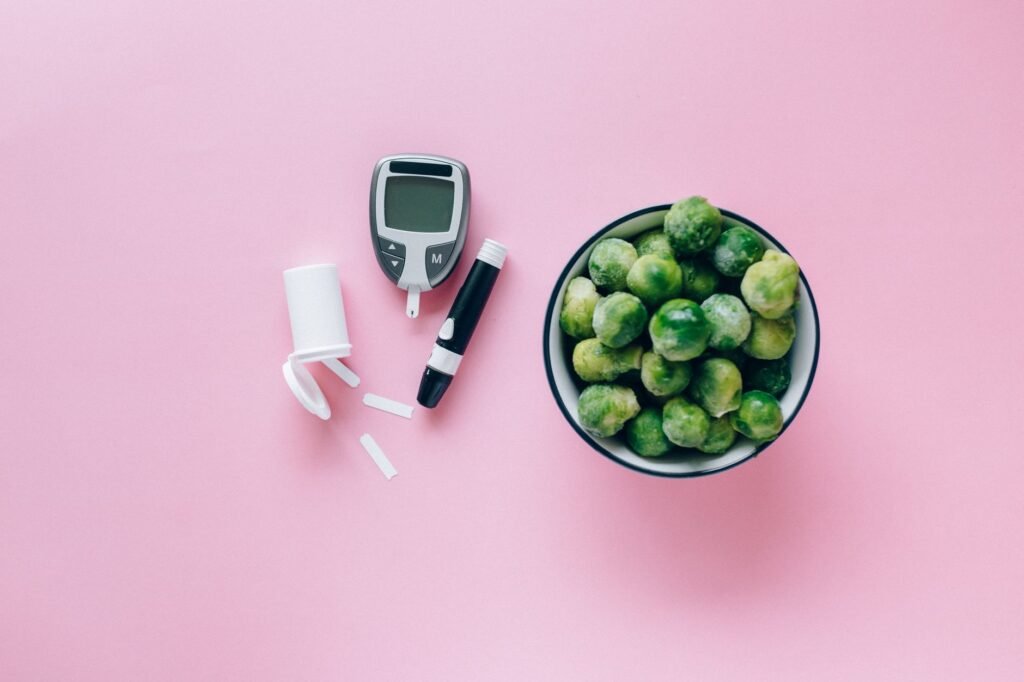
A significant development in health and medicine has emerged. Bringing blood sugar levels back to normal may dramatically reduce the danger posed by prediabetes. Researchers found that people who reversed prediabetes cut their risk of cardiovascular death or hospitalization for heart failure by 58% and lowered their chances of major heart problems such as heart attacks and strokes by 42%. The benefits lasted for decades and were seen across large long-term studies in both the U.S. and China. This report from ScienceDaily Health, published June 14, 2026, adds important context to our understanding of reversing prediabetes cuts risk.
As health research continues to evolve, developments like this remind us how important it is to stay informed and maintain open communication with healthcare providers.
The medical community has been closely monitoring research in this area, and this latest report contributes meaningfully to an already rich body of scientific literature.
Key Findings Explained
At the heart of this story is new information related to Reversing prediabetes cuts risk of deadly heart problems by 58%. Medical experts emphasize that individual research findings should always be viewed within the broader context of existing scientific literature.
Peer-reviewed research, large-scale clinical trials, and systematic reviews are the gold standards of evidence in medicine.
What This Means For Your Health
For the average person, the most important question is what this means for your own health. The answer depends on your individual medical history, risk factors, and current health status.
Your healthcare provider is best positioned to help you interpret new research in the context of your personal health profile. In the meantime, maintaining the fundamentals of good health remains universally beneficial: balanced diet, regular physical activity, adequate sleep, managing stress, and attending preventive care appointments.
Expert Perspective
Medical professionals approach new research with both enthusiasm and caution. Leading health organizations including the American Medical Association, the NIH, and the CDC continuously review emerging research and update their guidelines when evidence warrants it.
Background and Context
To fully appreciate this health news, it helps to understand the broader landscape of research in this area. Scientists have been studying topics related to reversing prediabetes cuts risk for many years, building a foundation of evidence that informs today’s clinical practice guidelines.
Advances in genomics, medical imaging, and digital health have dramatically accelerated the pace of discovery. Public health efforts have also evolved, with greater emphasis on prevention, early detection, and patient education.
Practical Takeaways
- Stay informed through reputable sources such as the NIH, CDC, and Mayo Clinic
- Discuss new health research relevant to your conditions with your doctor
- Avoid making abrupt changes to medications without medical guidance
- Focus on proven wellness fundamentals: balanced diet, regular exercise, quality sleep, and stress management
- Keep up with recommended preventive screenings and vaccinations for your age group
What To Ask Your Doctor
- Does this research apply to my specific health situation and risk factors?
- Should I consider changes to my current prevention or treatment plan?
- Are there relevant screening tests I should consider?
- What lifestyle modifications do you recommend?
Conclusion
This latest development from ScienceDaily Health, reported on June 14, 2026, is another piece in the ever-evolving picture of what it means to live a healthy life. Use health information as a starting point for informed conversations with your medical team.
Source: ScienceDaily Health — June 14, 2026
