Type 2 Diabetes: A Complete Patient Guide
Type 2 diabetes is a chronic metabolic condition affecting how your body processes blood sugar (glucose). Unlike type 1 diabetes, where the pancreas produces little or no insulin, type 2 diabetes develops when your body becomes resistant to insulin or the pancreas cannot produce enough insulin to maintain normal blood sugar levels. This is the most common form of diabetes, accounting for approximately 90-95% of all diabetes cases. While type 2 diabetes is a serious condition, it can be effectively managed with proper treatment, lifestyle changes, and medical support.
Key Facts
- Type 2 diabetes develops when cells resist insulin action or the pancreas produces insufficient insulin
- Approximately 37 million Americans have diabetes, with over 90% having type 2
- Risk increases significantly with age, obesity, family history, and physical inactivity
- Early detection through regular screening can prevent or delay serious complications
- Lifestyle modifications and medications can effectively control blood sugar levels
- Type 2 diabetes is progressive; management strategies may need adjustment over time
Understanding Type 2 Diabetes
Type 2 diabetes develops through a process called insulin resistance. Your pancreas produces insulin, a hormone that acts like a key, allowing glucose to enter your cells for energy. In type 2 diabetes, your cells become resistant to insulin’s effects, requiring your pancreas to work harder and produce more insulin. Eventually, the pancreas cannot keep up with demand, and blood glucose levels rise abnormally.
This differs fundamentally from type 1 diabetes, where the immune system attacks insulin-producing cells. Type 2 develops gradually, often without noticeable symptoms in early stages, which is why many people remain undiagnosed for years. The condition typically emerges in adulthood, though increasingly affects younger people and adolescents.
Causes and Risk Factors
Type 2 diabetes results from a combination of genetic and lifestyle factors. Understanding your personal risk profile is essential for prevention and early management.
Genetic factors: If a parent or sibling has type 2 diabetes, your risk increases significantly. Certain ethnic groups, including Hispanic, Black, Native American, Asian American, and Pacific Islander populations, have higher prevalence rates.
Lifestyle factors contributing to type 2 diabetes include:
- Obesity or excess weight, particularly abdominal fat accumulation
- Physical inactivity and sedentary behavior
- Poor dietary habits high in refined carbohydrates and saturated fats
- Chronic stress and inadequate sleep
- Smoking and excessive alcohol consumption
Other risk factors include: Age over 45, history of gestational diabetes, polycystic ovary syndrome (PCOS), prediabetes, and certain medications like corticosteroids that affect blood sugar metabolism.
Recognizing Signs and Symptoms
Many people with type 2 diabetes experience no symptoms initially, making regular screening crucial for those at risk. When symptoms do appear, they develop gradually and may include:
- Increased thirst and frequent urination, particularly at night
- Persistent fatigue and low energy levels
- Blurred vision or difficulty focusing
- Slow-healing cuts, sores, or bruises
- Tingling or numbness in hands or feet (neuropathy)
- Unexplained weight loss despite increased appetite
- Darkened skin patches, typically in armpits or neck (acanthosis nigricans)
- Frequent infections or recurrent yeast infections
If you notice any of these symptoms, schedule an appointment with your healthcare provider for evaluation and potential testing.
Diagnosis Process
Your doctor will use several tests to diagnose type 2 diabetes and assess your current metabolic status:
Fasting blood glucose test: Measures blood sugar after 8-10 hours without food. Normal levels are below 100 mg/dL; diabetes is diagnosed at 126 mg/dL or higher.
Hemoglobin A1C test: Shows average blood sugar levels over the previous 2-3 months. An A1C of 6.5% or higher indicates diabetes. This test is particularly valuable because it reflects long-term glucose control and doesn’t require fasting.
Random blood glucose test: Can be performed anytime and doesn’t require fasting. Results of 200 mg/dL or higher suggest diabetes.
Oral glucose tolerance test (OGTT): You drink a sugary liquid, and blood sugar is measured before and two hours after. This is less commonly used for diagnosis but provides valuable information about how your body processes glucose.
Your doctor may also order additional tests to assess kidney function, cholesterol levels, and cardiovascular health, as type 2 diabetes increases risk for these complications.
Current Treatment Options
Lifestyle modifications form the foundation of type 2 diabetes management and can significantly improve blood sugar control:
- Adopting a balanced diet emphasizing whole grains, lean proteins, vegetables, and healthy fats while limiting refined carbohydrates and added sugars
- Engaging in at least 150 minutes of moderate aerobic activity weekly, such as brisk walking or swimming
- Losing 5-10% of body weight if overweight can dramatically improve insulin sensitivity
- Managing stress through meditation, yoga, or counseling
- Prioritizing 7-9 hours of quality sleep nightly
Medications are prescribed when lifestyle changes alone don’t achieve target blood sugar levels. Common medication classes include:
- Metformin: First-line medication that reduces glucose production by the liver and improves insulin sensitivity. Generally well-tolerated with few side effects.
- GLP-1 receptor agonists: Injectable medications like semaglutide and tirzepatide that improve insulin secretion and promote weight loss. Often recommended for patients with cardiovascular disease or weight concerns.
- SGLT2 inhibitors: Help kidneys eliminate excess glucose through urine. Offer cardiovascular and kidney protection benefits.
- Dipeptidyl peptidase-4 (DPP-4) inhibitors: Increase insulin production and decrease glucagon secretion.
- Sulfonylureas: Stimulate pancreatic insulin release; used less frequently now due to hypoglycemia risk.
- Insulin therapy: Eventually necessary for some patients as the disease progresses. Types include rapid-acting, long-acting, and intermediate-acting formulations.
Important: Type 2 diabetes is progressive, meaning medication requirements typically increase over time. This is not a personal failure but rather reflects the natural disease course. Regular monitoring helps your doctor adjust treatment appropriately.
Living With and Managing Type 2 Diabetes
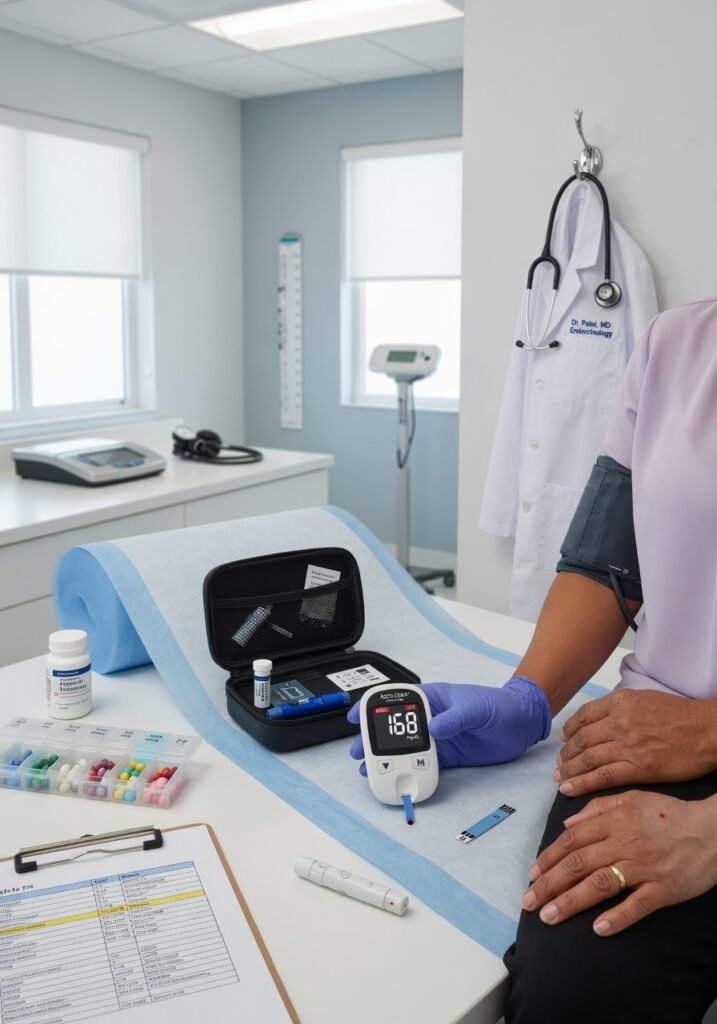
Blood sugar monitoring is essential for understanding how different foods, activities, and stressors affect your glucose levels. Your doctor will recommend testing frequency based on your treatment plan. Home glucose monitors provide immediate feedback for making dietary and activity adjustments.
Regular medical appointments allow your healthcare team to monitor A1C levels, assess medication effectiveness, and screen for complications. Annual eye exams, foot exams, and kidney function tests are recommended to detect early signs of diabetic complications.
Nutritional management doesn’t require elimination of favorite foods but rather portion control and mindful food choices. Consider working with a registered dietitian specializing in diabetes care for personalized meal planning.
Physical activity improves insulin sensitivity, aids weight management, and reduces cardiovascular disease risk. Even light activity, like taking short walks after meals, benefits blood sugar control.
Tips for Daily Diabetes Management
- Check blood sugar before meals and at bedtime initially to identify patterns
- Keep a food diary to understand how specific foods affect your glucose levels
- Set realistic, incremental goals rather than attempting dramatic lifestyle overhauls
- Connect with others managing type 2 diabetes through support groups or online communities
- Take medications exactly as prescribed, even when feeling well
- Wear a medical alert bracelet identifying your diabetes condition
- Schedule regular eye, foot, and dental care to prevent complications
Prevention Strategies
For those with prediabetes (fasting glucose 100-125 mg/dL or A1C 5.7-6.4%), lifestyle intervention can prevent or delay type 2 diabetes development by up to 58%. The Diabetes Prevention Program (DPP) demonstrates that modest weight loss of 5-7% combined with regular exercise significantly reduces progression risk.
For those without diabetes, maintaining healthy weight, regular physical activity, balanced nutrition, and stress management substantially reduce your lifetime risk. Even if family history suggests increased genetic risk, lifestyle factors can largely counteract inherited predisposition.
Frequently Asked Questions
Can type 2 diabetes be cured?
Type 2 diabetes cannot be cured permanently, but it can be managed effectively and even placed into remission. Remission occurs when blood sugar levels return to normal without medications, typically through significant weight loss and sustained lifestyle changes. However, diabetes can return if lifestyle modifications aren’t maintained, so “cure” is more accurately described as “remission management.”
Will I eventually need insulin injections?
Not necessarily. Many people with type 2 diabetes manage their condition with oral medications and lifestyle changes throughout their lives. However, as type 2 diabetes progresses over 10-15 years, some individuals eventually require insulin therapy because the pancreas produces less insulin. This progression is common but not inevitable, and depends on individual disease progression, genetics, and how well blood sugar is controlled.
What foods should I completely avoid with type 2 diabetes?
Rather than strict avoidance, focus on portion control and frequency. Foods high in refined carbohydrates, added sugars, and saturated fats should be limited but not necessarily eliminated entirely. This includes sugary beverages, pastries, white bread, and processed foods. Work with a dietitian to develop a personalized meal plan that allows flexibility while maintaining blood sugar control. Complete food restriction often leads to unsustainable eating patterns.
Can exercise alone control type 2 diabetes without medication?
Sources & Medical References
HealthTopics.com articles are based on peer-reviewed medical research and guidance from the NIH, CDC, and WHO. See our editorial policy for full sourcing standards.