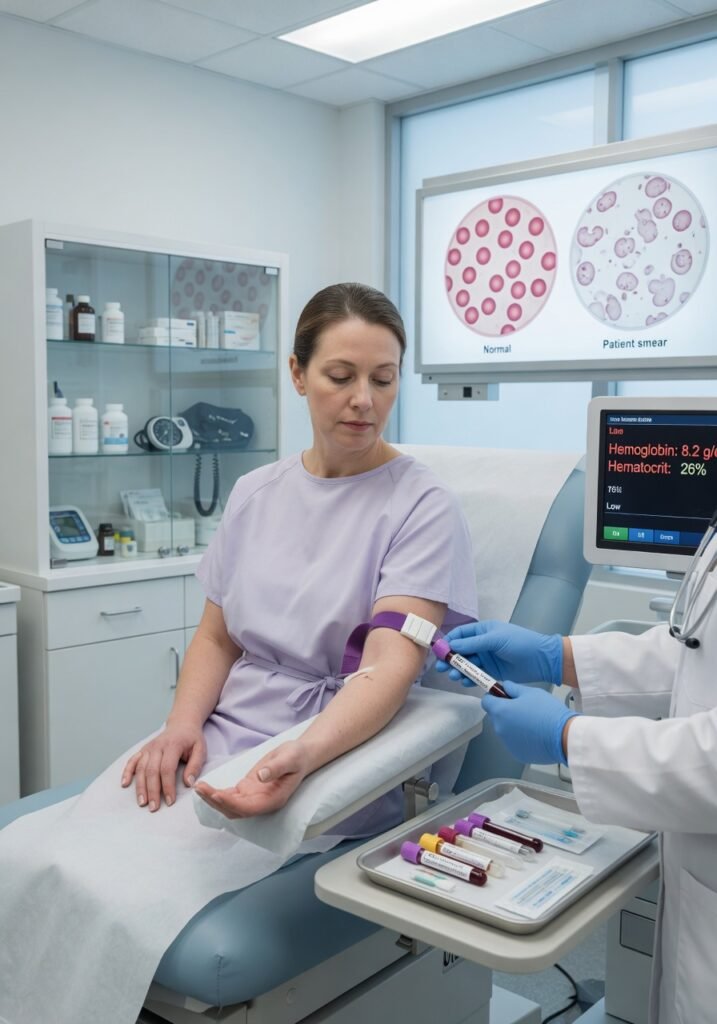

About Anemia
Anemia is among the most commonly managed health conditions in clinical practice. This guide provides comprehensive, evidence-based information to help patients, caregivers, and anyone wanting to understand this topic better – from foundational concepts through practical day-to-day management strategies.
Key Facts
- Affects a significant segment of the population; prevalence varies by age, sex, and geographic region
- Early identification and treatment are consistently linked to better outcomes across all patient groups
- Both medical interventions and lifestyle factors contribute meaningfully to management success
- Regular, ongoing care from a qualified provider is central to effective long-term management
- Active research continues to produce new diagnostics, treatments, and preventive strategies
Causes and Risk Factors
The causes of iron deficiency are multifactorial – genetics, environment, lifestyle, and comorbid conditions all interact. Understanding your personal risk factors allows you and your healthcare provider to develop a proactive, personalized approach to prevention and early detection.
- Genetic predisposition: Family history elevates risk for many conditions
- Age-related changes: Risk profiles shift significantly across the lifespan
- Lifestyle factors: Diet, activity, sleep, smoking, and alcohol intake are key modifiable risks
- Environmental exposures: Occupational or environmental factors may contribute
- Pre-existing conditions: Metabolic disorders, immune dysfunction, and other conditions frequently co-occur
Signs and Symptoms
Symptom patterns for anemia vary considerably based on subtype, severity, and individual patient factors. Early recognition of symptoms – especially before they progress – dramatically improves treatment outcomes.
- Persistent changes in normal body function, sensation, or comfort levels
- New or worsening pain, pressure, or physical discomfort
- Unexplained changes in energy, appetite, weight, or sleep quality
- Mood, cognitive, or behavioral changes that are new or out of character
- Visible physical changes or functional limitations affecting daily life
Diagnosis
Accurate diagnosis combines clinical assessment with targeted diagnostics. Your doctor will tailor the evaluation to your specific presentation and risk profile.
- Medical history: Detailed exploration of symptom onset, character, severity, and context
- Physical examination: Systematic examination of relevant body systems
- Laboratory evaluation: Blood tests, biomarkers, cultures, or other specimen analysis as indicated
- Imaging: Ultrasound, X-ray, CT, MRI, or nuclear medicine studies depending on clinical indication
- Specialist referral: For complex presentations or specialized management
Treatment Options
Effective management of Anemia: Types Causes and Treatment combines medical treatment with targeted lifestyle modification. The best approach is individualized and developed collaboratively with your healthcare team.
Medical Treatments
- Pharmacotherapy: From well-established generics to cutting-edge targeted therapies, medication options are broad
- Procedural interventions: Minimally invasive or surgical options for appropriate cases
- Rehabilitative care: Physical, occupational, or speech therapy to restore and maintain function
- Psychological support: Mental health care is a legitimate and frequently necessary part of holistic treatment
Lifestyle Medicine
- Anti-inflammatory, whole-food dietary patterns with strong evidence base (e.g., Mediterranean diet)
- Progressive physical activity tailored to medical status and fitness level
- Sleep hygiene optimization and treatment of underlying sleep disorders
- Evidence-based stress reduction: mindfulness, CBT, therapeutic yoga, social support
- Complete tobacco cessation; alcohol moderation within health guidelines
Day-to-Day Management
Practical Strategies
- Keep a symptom and medication diary to identify patterns and inform clinical visits
- Adhere to prescribed medications; discuss side effects promptly rather than stopping unilaterally
- Maintain all scheduled appointments and screenings even during asymptomatic periods
- Engage with peer support communities – others with shared experience offer invaluable practical knowledge
- Use only reliable health information sources: NHS, NIH, CDC, Mayo Clinic, major academic medical centers
- Address mental health proactively – depression and anxiety are common in chronic illness and very treatable
Prevention
Risk reduction for anemia relies on modifying controllable risk factors. Even partial improvements across multiple factors produce meaningful risk reductions.
- Complete all recommended age-appropriate and risk-based health screenings
- Target and maintain a healthy BMI – modest weight loss yields significant health gains
- Eat predominantly whole, minimally processed foods
- Achieve the recommended 150+ minutes of moderate activity weekly
- Eliminate tobacco in all forms; use alcohol within evidence-based safe limits
- Actively manage any existing chronic conditions such as hypertension, diabetes, or dyslipidemia
Research Advances
The scientific landscape around blood disorder is advancing rapidly. Precision medicine, digital therapeutics, and novel pharmacological targets are reshaping both diagnosis and treatment. Clinical trials are actively investigating improved interventions across subtypes – ask your specialist whether any trials are relevant to your situation. Reliable updates are available from NIH ClinicalTrials.gov, PubMed, and major specialty society websites.
Frequently Asked Questions
How is anemia diagnosed?
Diagnosis involves a thorough medical history, physical examination, and appropriate laboratory or imaging tests. The specific workup depends on your symptoms and clinical presentation. Consulting a healthcare provider for evaluation is always the right first step.
Can anemia be cured?
The answer depends entirely on the type and severity. Some forms respond very well to treatment with complete resolution; others require ongoing management. Modern medicine offers highly effective tools for control even when a cure is not achievable. Your doctor can discuss realistic expectations for your case.
Is anemia genetic?
Many conditions have a hereditary component, meaning family history can meaningfully increase risk. However, genetics is only one piece of the picture – lifestyle, environment, and chance also play important roles. Knowing your family history helps your doctor personalize your screening plan.
What lifestyle changes most help anemia?
The most impactful changes for most people are: eating a whole-food, plant-forward diet; engaging in regular moderate physical activity; achieving adequate sleep; quitting smoking; and managing stress effectively. Your healthcare team can advise on changes specific to your condition.
When should I seek urgent care for anemia?
Seek immediate care for sudden severe pain, difficulty breathing, chest pain or pressure, sudden neurological changes (weakness, confusion, speech or vision problems), or any rapid worsening of your condition. When in doubt, call 911 or go to an emergency department.