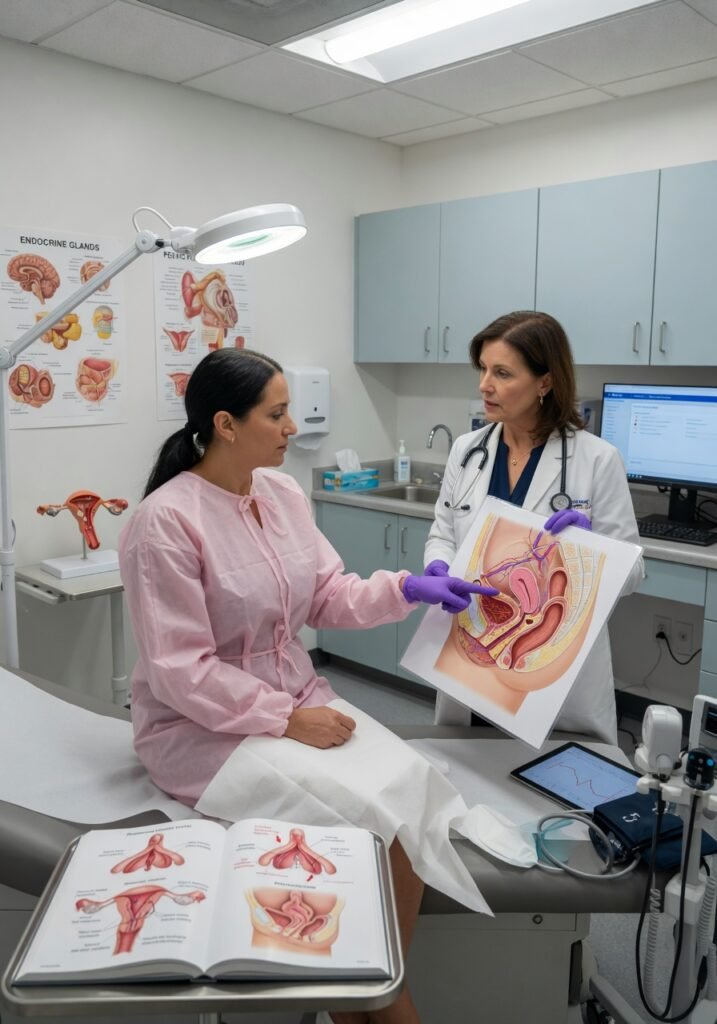
Sarah, 42, hadn’t wanted to touch her husband in months. Not because she didn’t love him—she did—but because the act itself felt like a chore that her body simply wouldn’t cooperate with. Intercourse had become uncomfortable, her arousal seemed to vanish before it started, and she’d stopped even trying. When she finally mentioned it to her gynecologist, she discovered she wasn’t broken. She had female sexual dysfunction, a condition affecting roughly 43% of women at some point in their lives, and it was treatable.
Sexual Dysfunction in Women: Understanding a Highly Treatable Condition
Key Facts About Female Sexual Dysfunction
- According to the Journal of the American Medical Association (JAMA), 43% of women report some degree of sexual dysfunction, compared to 31% of men, with prevalence increasing significantly after age 50
- Arousal disorders account for approximately 35% of female sexual dysfunction cases, followed by orgasmic disorders at 26% and desire disorders at 22%
- Only about 10% of women with sexual dysfunction ever discuss it with their healthcare provider, despite effective treatments being available
- Hypertension medications, SSRIs, and hormonal contraceptives are among the top medication culprits, with sexual side effects affecting 40-60% of women taking certain antidepressants
- The average time from symptom onset to seeking treatment is 5.7 years, meaning most women suffer silently for years before getting help
What’s Actually Happening: The Physiology of Female Sexual Response
Female sexual response isn’t the straightforward on-off switch many people imagine. Think of it more like a dimmer switch that requires the right combination of electrical current, proper wiring, and functioning bulbs. The arousal phase involves increased blood flow to the genitals, vaginal lubrication, and increased heart rate and blood pressure. But here’s what most health websites gloss over: this process is exquisitely sensitive to psychological state. A single intrusive thought—whether about work emails or body image—can interrupt the entire cascade. Unlike male sexual response, which tends to be more mechanical, female arousal depends heavily on relaxation, trust, and mental engagement simultaneously.
The neurochemistry involved is equally complex. Dopamine drives desire. Norepinephrine maintains focus and arousal. Serotonin, while important for mood, actually dampens sexual response at higher levels—which explains why selective serotonin reuptake inhibitors (SSRIs) frequently cause sexual side effects. Oxytocin promotes orgasm. When any of these neurotransmitters falls out of balance, the entire system becomes unreliable, which is why sexual dysfunction often feels unpredictable and frustrating to patients.
Causes and Risk Factors: The Hidden Contributors
The causes of female sexual dysfunction span physical, hormonal, psychological, and relational domains. Estrogen deficiency, particularly during perimenopause and menopause, directly reduces genital blood flow and vaginal lubrication. Polycystic ovary syndrome (PCOS) and thyroid disorders disrupt hormone balance. Pelvic floor dysfunction—tight, overactive pelvic floor muscles—causes pain during intercourse and prevents proper arousal responses. Cardiovascular disease matters more than many patients realize: endothelial dysfunction that restricts blood flow in arteries also restricts blood flow to genital tissues, making arousal physically difficult.
But here’s what most articles miss entirely: medication-induced sexual dysfunction often goes unrecognized because patients assume their symptoms are psychological or relationship-based. Beyond SSRIs, beta-blockers like metoprolol and propranolol impair arousal in up to 25% of women. Antipsychotics, certain blood pressure medications, and even some antihistamines affect sexual function. Psychological factors include depression, anxiety, trauma history, and chronic stress. Poor sleep quality independently predicts sexual dysfunction—specifically through reduced dopamine and increased cortisol. Relationship factors matter: communication deficits, unresolved conflict, and mismatched desire between partners create an environment where even a woman’s own arousal becomes difficult to access.
Signs and Symptoms: What to Actually Notice
Sexual dysfunction isn’t just “not wanting sex.” The symptoms vary dramatically. Some women experience absent or markedly reduced desire—they simply don’t think about sex or feel interested, even when circumstances are favorable. Others have normal desire but can’t achieve or maintain arousal despite adequate stimulation and desire. Orgasmic disorder means difficulty reaching orgasm even with strong sexual stimulation, sometimes requiring 30-60 minutes of direct stimulation rather than the 5-15 minutes typical for many women. Genito-pelvic pain/penetration disorder involves pain during or after intercourse, or difficulty with vaginal penetration even with desire present.
Early warning signs people often dismiss include less frequent sexual thoughts, needing longer or more intense stimulation to become aroused, decreased genital sensation during touch, and relationship tension over frequency of sexual contact. Many women describe feeling “numb” or like they’re observing themselves from outside their body rather than being present in the experience. Others report that arousal starts then suddenly evaporates mid-encounter, leaving them confused and frustrated. The emotional toll—guilt, embarrassment, reduced self-worth—often compounds the physical symptoms.
How Diagnosis Actually Works
There’s no blood test or imaging study that diagnoses sexual dysfunction. Diagnosis relies on clinical conversation, which is why many women never get a diagnosis—clinicians often don’t ask systematically. The Diagnostic and Statistical Manual of Mental Disorders (DSM-5) criteria require that symptoms persist for at least 6 months, occur in 75% or more of sexual encounters, cause significant personal distress, and aren’t better explained by other medical or psychiatric conditions, severe relationship discord, or medication effects.
The actual diagnostic process should include a detailed sexual history covering desire, arousal, orgasm, pain, satisfaction, frequency, partner dynamics, and sexual trauma history. Your doctor should ask about medications, surgeries, hormonal status, and mood. A pelvic exam rules out structural problems. Some clinicians use validated questionnaires like the Female Sexual Distress Scale or Female Sexual Function Index to quantify dysfunction severity. Be prepared that this conversation will feel awkward—most people find discussing sexual specifics uncomfortable with a healthcare provider—but the information is essential for accurate treatment.
Treatment Options: What Actually Works
Treatment depends entirely on the underlying cause. If SSRIs are the culprit, switching to bupropion or mirtazapine—which have fewer sexual side effects—often resolves dysfunction within weeks. If estrogen deficiency is the problem, vaginal estrogen (estradiol tablets, creams, or rings like Vagifem or Estrace vaginal cream), systemic hormone replacement therapy, or ospemifene (an oral selective estrogen receptor modulator) restores lubrication and arousal. Vaginal DHEA (prasterone), marketed as Intrarosa, increases arousal and reduces pain in postmenopausal women.
For arousal disorder specifically, flibanserin (Addyi) increases dopamine and decreases serotonin, improving desire. It requires consistent daily use and works best in combination with psychotherapy. For orgasmic disorder, pelvic floor physical therapy combined with cognitive-behavioral therapy or sex therapy provides high success rates. Vibrators and directed masturbation exercises rebuild sensation and teach the body how to reach orgasm again—these aren’t frivolous additions, they’re evidence-based interventions.
Psychotherapy, particularly sex therapy or cognitive-behavioral therapy, addresses psychological barriers, reduces performance anxiety, and improves communication with partners. Couples therapy helps resolve relationship dynamics that suppress arousal. Addressing modifiable risk factors—improving sleep, reducing stress, treating depression with non-sexual-side-effect medications, cardiovascular exercise—directly improves sexual function. Some women benefit from combination approaches: hormone therapy plus pelvic floor therapy plus sex therapy simultaneously.
Daily Management Strategies
Beyond formal treatment, specific practical changes help. Schedule sexual activity rather than waiting for spontaneous desire—many women need mental preparation time to transition into an arousal-receptive state. Use lubricants liberally; water-based options like Hyalo Gyn or silicone-based options like Eros work differently, so experiment. Reduce performance pressure by temporarily shifting focus away from intercourse toward non-goal-oriented touch and pleasure. Practice grounding techniques during sexual activity—naming five things you see, four you feel physically, three you hear—to combat dissociation.
Address sleep directly: aim for 7-9 hours and consistent sleep/wake times. This alone improves dopamine availability. Reduce caffeine intake, which increases anxiety and can interfere with arousal. Identify and minimize intrusive thoughts—if work anxiety disrupts arousal, keep a notepad bedside to externalize worries before intimacy. Communicate specifically with partners: “I need more clitoral stimulation” is infinitely more useful than “this isn’t working.” Many women find that discussing desires outside the bedroom, in low-pressure moments, feels safer and generates better understanding.
Prevention and Risk Reduction
The evidence shows that maintaining cardiovascular health directly protects sexual function. Women who exercise regularly have significantly better arousal and orgasm rates. That’s not generic wellness advice—it’s physiological. Smoking impairs endothelial function and directly contributes to arousal problems; quitting improves sexual function within months. Managing depression and anxiety early prevents sexual dysfunction from developing alongside mood disorders. When starting new medications, especially psychiatric medications, explicitly ask your prescriber about sexual side effects and request alternatives if concerns arise.
Maintaining strong pelvic floor health through Kegel exercises or pelvic floor physical therapy prevents both pain disorders and arousal problems. Preserve relationship quality through ongoing communication and physical affection outside sexual contexts. Most importantly, destigmatize sexual function in your own mind. Sexual dysfunction isn’t shameful, uncommon, or permanent. The fact that you’re experiencing it doesn’t mean something is fundamentally wrong with you.
Frequently Asked Questions
Does female sexual dysfunction happen suddenly or develop gradually?
Both patterns occur. Sudden onset—happening over days or weeks—often signals medication changes, acute stress, or relationship conflict. Gradual onset over months or years typically reflects hormonal changes (perimenopause, thyroid disease), progressive cardiovascular issues, or accumulating psychological factors. The pattern helps your doctor identify the likely cause.
Can birth control pills cause sexual dysfunction?
Yes, in approximately 15% of women using hormonal contraceptives. The estrogen and progestin combination can reduce genital sensation, decrease natural lubrication, and lower desire. If you suspect your birth control is responsible, discuss switching formulations—different pills have different hormone levels—or trying non-hormonal contraception like copper IUDs, which don’t affect sexual function.
Is sexual dysfunction after hysterectomy normal?
Some decline is common, but significant dysfunction isn’t inevitable. Hysterectomy disrupts pelvic blood supply and can reduce sexual sensation. However, if you’re experiencing new or worsening dysfunction years post-hysterectomy, that’s worth investigating separately—it suggests another cause is developing rather than just a lingering surgical effect.
Can low testosterone in women cause sexual dysfunction?
Yes. Women produce small amounts of testosterone in the ovaries and adrenal glands, and it plays a role in desire and arousal. However, testosterone testing in women is controversial because normal ranges overlap widely and don’t always correlate with symptoms. If dysfunction develops alongside other signs of low testosterone (fatigue, mood changes), testing and potential supplementation warrant discussion with an endocrinologist.
Sources & Medical References
HealthTopics.com articles are based on peer-reviewed medical research and guidance from the NIH, CDC, and WHO. See our editorial policy for full sourcing standards.