Sleep Apnea: From Symptoms to Successful Treatment
Marcus, a 52-year-old accountant, had been snoring for years. His wife practically slept in another room. He felt tired during the day, sure, but figured that was just aging. When he finally got tested for sleep apnea, his sleep study showed 47 breathing stops per hour. His oxygen dropped to 82 percent multiple times. Here’s what surprised him most: the snoring wasn’t the problem. The snoring was actually a warning sign that his airway was collapsing—and those collapses were starving his brain and heart of oxygen while he slept.
Common misconception: Sleep apnea is just a snoring problem that keeps your partner awake. The truth is more serious. Sleep apnea is a breathing disorder where your airway repeatedly closes during sleep, cutting off oxygen flow. Snoring is often present, but you can have apnea without snoring, and you can snore without apnea. The real danger isn’t the noise—it’s what happens to your body when you stop breathing dozens of times per night.
Key Facts About Sleep Apnea
- An estimated 26 percent of adults ages 30 to 70 have obstructive sleep apnea, according to the American Academy of Sleep Medicine, yet approximately 80 percent of moderate to severe cases remain undiagnosed.
- Each apneic event (complete breathing stoppage) lasts 10 seconds to over a minute, and untreated severe apnea can involve 30 or more events per hour.
- Sleep apnea increases stroke risk by 60 percent and heart attack risk by 30 percent compared to people without the condition, based on data from the National Heart, Lung, and Blood Institute.
- The Apnea-Hypopnea Index (AHI) is the diagnostic standard: mild apnea is 5-14 events/hour, moderate is 15-29 events/hour, and severe is 30 or more events/hour.
- CPAP therapy reduces cardiovascular events by 37 percent when used consistently (4+ hours nightly) according to recent CDC epidemiology reports.
Understanding Sleep Apnea: What’s Actually Happening
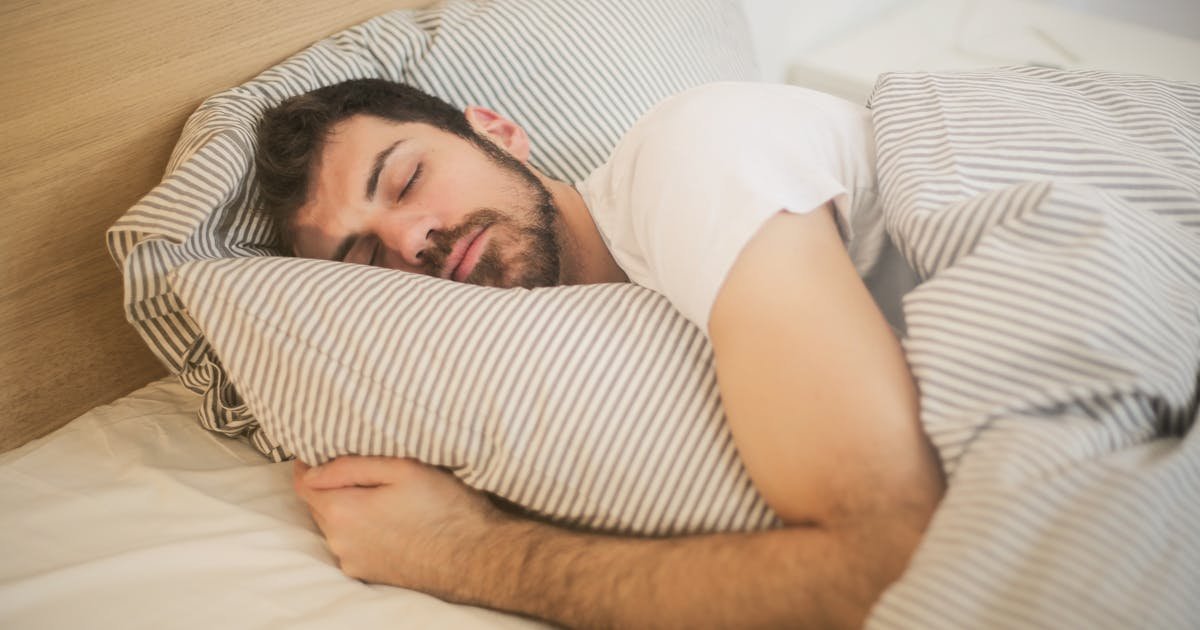
Picture your airway as a flexible tube. When you’re awake, muscles keep that tube rigid and open. During sleep, those muscles relax—that’s normal. But in sleep apnea, the relaxation goes too far. The soft palate, tongue, or excess throat tissue collapses inward, partially or completely blocking airflow. Your brain detects the oxygen drop and forces a partial awakening to restore breathing. Then you fall back asleep, and it happens again. And again.
The body treats these events like micro-emergencies. Your sympathetic nervous system—the fight-or-flight system—activates. Blood pressure spikes. Heart rate jumps. Adrenaline surges. You might not consciously remember these awakenings (they can be just 3-10 seconds of arousal), but your cardiovascular system does. Night after night, this stress accumulates. Your blood vessels stiffen. Your blood pressure becomes chronically elevated. Your heart muscle thickens. Your electrical heart rhythm becomes irritable.
Causes and Risk Factors: Beyond Just Being Overweight
Yes, obesity is the strongest risk factor—people with a BMI over 30 are significantly more likely to develop apnea. But it’s not the only cause. A narrower airway anatomy matters. Some people are simply born with a smaller throat space or a recessed jaw. These individuals can develop sleep apnea even at normal weights.
Age plays a role. Apnea prevalence increases steadily from age 30 onward. Men are affected 2-3 times more often than women before menopause, though the gap narrows after menopause when women’s hormonal protection fades.
Here’s a less-discussed risk factor that many websites gloss over: alcohol consumption within three hours of bedtime. Alcohol is a respiratory depressant. It relaxes airway muscles even more than normal sleep does and suppresses the arousal response your brain needs to wake up and breathe. A person with mild, undiagnosed apnea might have zero symptoms until they have a drink before bed—then suddenly they’re experiencing severe, symptomatic events.
Other factors include nasal obstruction (deviated septum, chronic rhinitis), smoking (which increases airway inflammation), hypothyroidism (which slows metabolism and can promote weight gain), and even sleeping on your back, which allows gravity to collapse your airway more easily.
Signs and Symptoms: What You Actually Experience
Loud snoring interrupted by silent pauses—where you stop breathing for 10-30 seconds before gasping or snorting—is the classic presentation. But that’s not always how it starts.
Many people notice daytime symptoms first. Excessive daytime sleepiness that doesn’t improve with more sleep. Waking up with a dry mouth or sore throat nearly every morning. Frequent nighttime bathroom trips—sometimes 5, 6, or 7 times per night. Headaches, particularly in the morning or mid-morning. Irritability and mood changes. Difficulty concentrating at work or school. Erectile dysfunction in men (a surprisingly common early sign that often prompts people to finally seek help).
The overlooked early warning sign: brief gasping awakenings at the moment you’re falling asleep or just after. You might consciously experience a sensation of choking or drowning that jolts you awake. These hypnic jerks or sleep starts feel random, but they’re often apneic events. People frequently dismiss them as stress or anxiety rather than recognizing them as respiratory events.
How Sleep Apnea Gets Diagnosed
Diagnosis starts with history and screening questionnaires. Your doctor might use the STOP-BANG assessment (asks about snoring, tiredness, observed apneas, blood pressure, BMI, age, neck circumference, gender) or the Epworth Sleepiness Scale. These help identify who needs further testing.
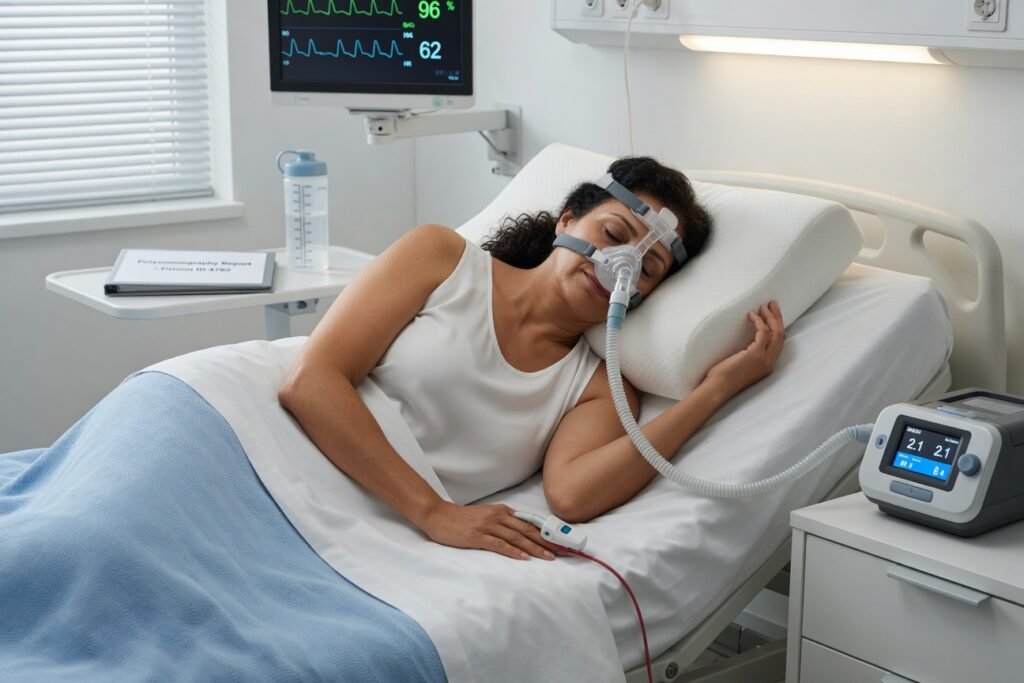
The gold standard is polysomnography—a sleep study done in a lab or increasingly at home. You’ll wear sensors that record brain waves, heart rate, breathing effort, airflow, oxygen saturation, and leg movements throughout the night. The technician or home device measures how many times you stop breathing and for how long.
Home sleep apnea testing is now widely available and often more comfortable. A portable device with nasal sensors, a chest band, and a finger oximeter captures the essential data. It’s less comprehensive than lab testing but sufficiently accurate for diagnosis in most cases.
Treatment Options: What Actually Works
For mild to moderate apnea, lifestyle modification comes first: weight loss if overweight, avoiding alcohol before bed, sleeping on your side, treating nasal obstruction if present. Some people achieve complete remission with these changes alone.
Positive Airway Pressure (PAP) therapy is the most effective treatment. CPAP (continuous positive airway pressure) delivers constant mild air pressure through a mask to keep your airway open. BiPAP (bilevel positive airway pressure) delivers two different pressure levels—higher during inhalation, lower during exhalation—and feels more natural for some people. APAP (automatic positive airway pressure) adjusts pressure automatically based on your breathing pattern.
The key issue most articles don’t emphasize: compliance is everything. CPAP only works if you actually use it. Studies show adherence drops dramatically after a few months for many patients. Mask fit, noise, and discomfort are real barriers. Working with a sleep specialist to find the right mask size and style—and experimenting with different machines—makes a genuine difference.
Oral appliances are an option for mild to moderate apnea. These fit like a sports mouthguard and gently advance the lower jaw forward, enlarging the airway space. Devices like the mandibular advancement appliance (MAA) can be highly effective for suitable candidates.
Medications don’t treat obstructive sleep apnea directly. No pill reliably opens a collapsed airway. Some medications (like acetazolamide for central sleep apnea, which is different) address specific subtypes, but for obstructive apnea, mechanical solutions work best.
Surgery is reserved for specific situations. Uvulopalatopharyngoplasty (UPPP) removes excess tissue from the palate and throat. Genioglossus advancement moves the tongue attachment forward. These procedures help some patients but aren’t universally effective and carry recovery time and small risks.
Practical Daily Management Strategies
If you’re using CPAP, establish a consistent bedtime routine. Put the mask on 30 minutes before sleep while watching television to acclimate. Start with ramp mode—the pressure builds gradually—rather than full pressure from the moment you turn it on. Keep the humidifier on; dry air causes skin irritation and discomfort that kills motivation.
Sleep on your side. Many people benefit from a body pillow or positional device that makes back sleeping physically awkward. Side sleeping alone can reduce apnea severity by 20-50 percent in some people.
Keep your bedroom cool (around 65-68°F) and dark. Sleep apnea worsens with sleep fragmentation, and environmental factors influence sleep quality.
Avoid sedating medications—benzodiazepines, opioids, and antihistamines relax airway muscles and worsen apnea. If you take these medications, discuss safer alternatives with your doctor.
Track your use. Most modern CPAP machines log nightly usage and therapy data. Review these numbers monthly with your sleep specialist. This feedback loop helps identify problems early.
Prevention: What the Evidence Shows
You cannot prevent sleep apnea if you have genetic predisposition to a narrow airway. But you can prevent it from developing or progressing if you’re at risk.
Weight management is the single most modifiable factor. A 10 percent weight loss can reduce apnea severity by 26 percent, and larger losses produce greater improvements. This isn’t about aesthetics—it’s about reducing throat tissue bulk and improving airway mechanics.
Regular exercise improves sleep quality and reduces apnea severity independent of weight loss. Cardiovascular exercise most nights of the week is protective.
Nasal treatment matters. Addressing deviated septums, chronic sinusitis, or allergic rhinitis with nasal steroids or saline rinses improves breathing and can help prevent progression.
Avoid smoking and limit alcohol. Both worsen inflammation and airway collapse.
Frequently Asked Questions
Can you die from sleep apnea?
Untreated severe sleep apnea significantly increases risk of sudden cardiac death, particularly during sleep. While complete asphyxiation during an apneic event is rare—your brain will force arousal—the cumulative cardiovascular stress of repeated oxygen drops and arousals can trigger fatal arrhythmias in susceptible individuals. This is why diagnosis and treatment are genuinely important.
Is CPAP the only treatment that works?
No. Oral appliances, positional therapy, weight loss, and surgery all work for appropriate candidates. However, CPAP is the most universally effective. Oral appliances work well for mild to moderate apnea and are often preferred by patients who can’t tolerate masks. The “best” treatment is the one you’ll actually use consistently.
If I feel fine during the day, do I still need treatment?
Sources & Medical References
HealthTopics.com articles are based on peer-reviewed medical research and guidance from the NIH, CDC, and WHO. See our editorial policy for full sourcing standards.