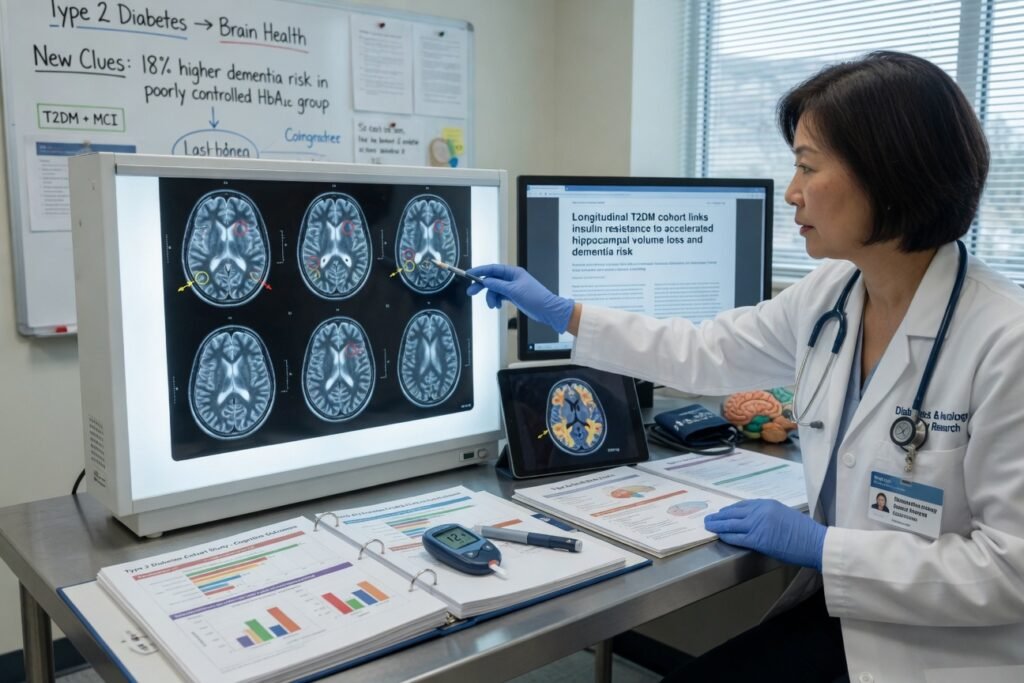
Emerging research continues to illuminate the complex relationship between type 2 diabetes and neurological health, with new findings suggesting that individuals with diabetes face elevated risks for cognitive impairment and dementia. Scientists are now uncovering the biological mechanisms that link metabolic dysfunction to brain aging and memory loss.
Understanding the Diabetes-Dementia Connection
Type 2 diabetes affects millions worldwide, but its consequences extend far beyond blood sugar regulation. Recent investigations reveal that chronic hyperglycemia and insulin resistance may accelerate cognitive decline through multiple pathways. The research suggests that maintaining stable glucose levels could be protective against neurodegenerative processes.
How Metabolic Changes Affect Brain Function
The brain relies heavily on glucose metabolism to function optimally. When diabetes disrupts this delicate balance, neurons may experience energy deficits and increased oxidative stress. Inflammation triggered by poor glucose control can damage blood vessels supplying the brain and promote the accumulation of harmful proteins associated with Alzheimer’s disease and other forms of dementia.
Key Risk Factors Identified
Researchers have identified several factors that may increase dementia susceptibility in diabetic patients, including duration of diabetes, glycemic control quality, presence of diabetic complications, and cardiovascular comorbidities. The longer blood sugar remains poorly controlled, the greater the potential neurological damage.
Implications for Prevention and Management
These findings underscore the importance of aggressive diabetes management as a potential dementia prevention strategy. Maintaining normal blood glucose levels, regular physical activity, cognitive engagement, and cardiovascular health may all contribute to preserving brain function in people with type 2 diabetes.
Looking Forward
As researchers continue investigating these connections, healthcare providers are increasingly emphasizing comprehensive diabetes care that addresses both metabolic health and cognitive preservation. Anyone with type 2 diabetes should work closely with their medical team to optimize treatment and reduce long-term neurological risks.