Do I Really Need a C-Section, or Is My Doctor Just Playing It Safe?
Sarah was 38 weeks pregnant when her OB mentioned her baby was breech. She’d heard horror stories about unnecessary cesareans inflating hospital profits and felt trapped between trusting her doctor and fearing surgery. The truth? About 32% of U.S. births are now cesarean deliveries—triple the rate from 1970—and yes, some are performed when vaginal birth could work. But others genuinely prevent serious harm. The question isn’t whether cesareans are overused (they probably are, in some cases), but whether yours falls into that gray zone where the medical evidence actually supports surgery over watchful waiting.
Five Facts About Cesarean Delivery You Should Know
- The CDC reports that 31.8% of U.S. births in 2022 were cesarean deliveries, with significant variation by hospital—ranging from 15% to over 50%—suggesting practice patterns, not just medical necessity, drive some surgeries.
- A planned cesarean takes 30-45 minutes from first incision to baby’s birth, but emergency cesareans can happen in under 10 minutes when placental abruption or cord prolapse occurs.
- Repeat cesareans increase your infection risk by 2-3 fold compared to a planned first cesarean, and scar tissue adhesions become more problematic with each surgery.
- Maternal mortality from cesarean delivery is roughly 2.5 times higher than vaginal birth, though absolute risk remains low at about 13 deaths per 100,000 cesarean births in the U.S.
- Recovery typically involves 4-6 weeks before returning to normal activity, but complete healing of the uterine incision takes 12 months or longer.
Understanding Cesarean Birth: What’s Actually Happening Inside
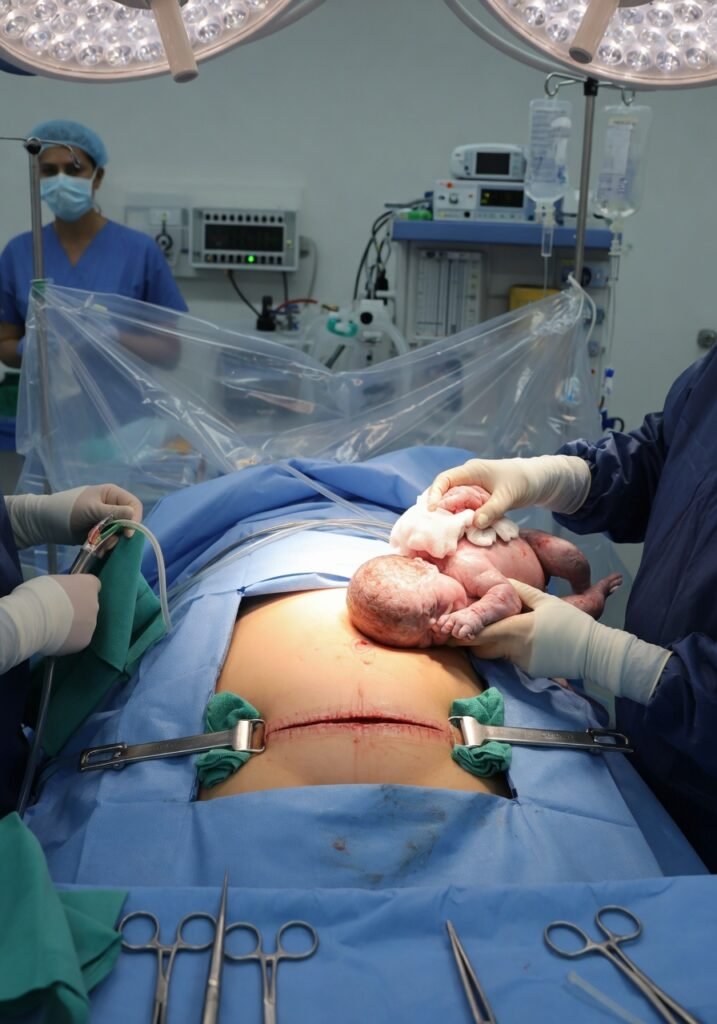
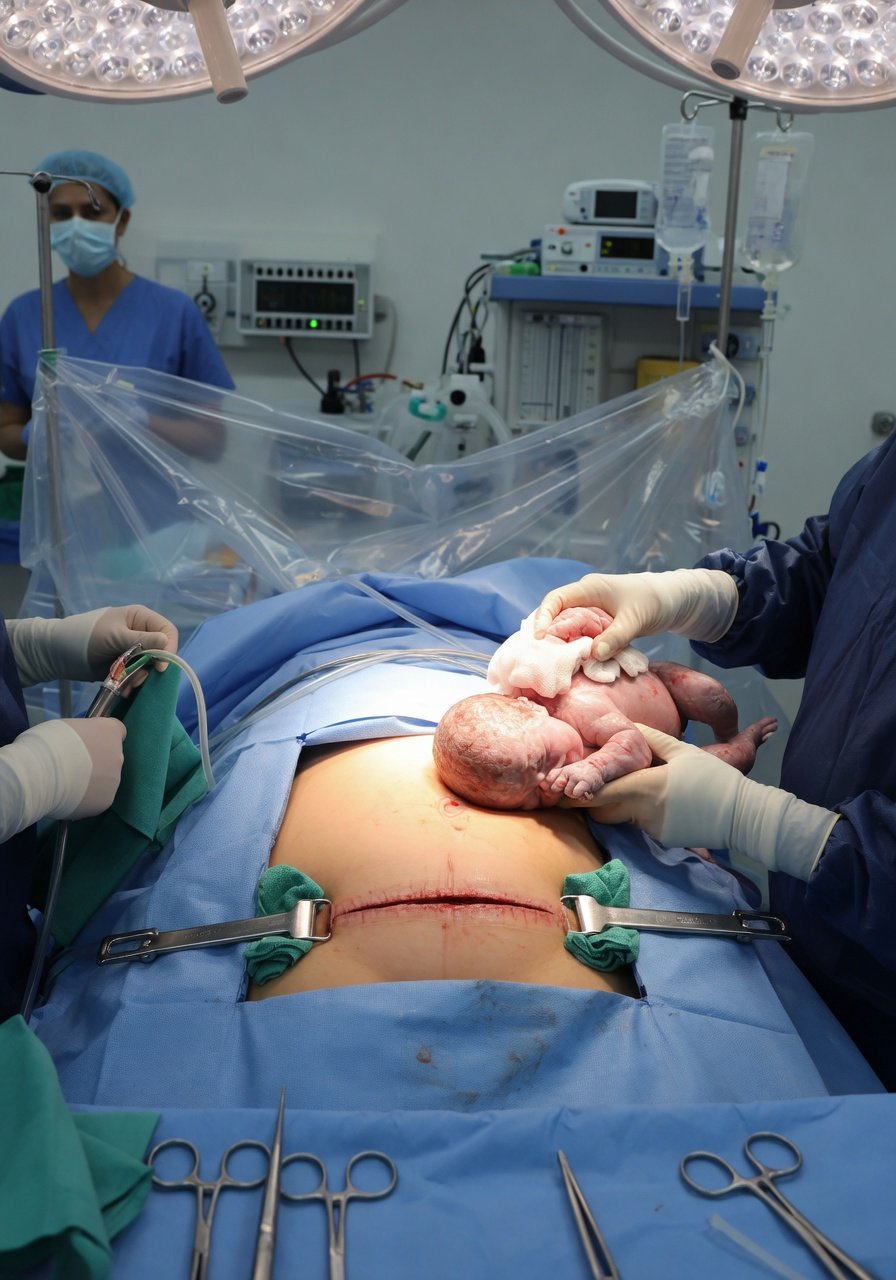
A cesarean section is major abdominal surgery—let’s be direct about that. Your surgeon makes a horizontal incision through skin, fat, fascia, and muscle (usually), then opens the uterus separately and delivers your baby through the opening. Think of it like this: instead of your baby moving down and out through a natural dilating passage over hours, we’re manually extracting them through a surgical doorway in about 10 minutes of operative time.
Your body treats this as a significant wound, which is why hemorrhage, infection, and blood clots are real risks—not rare complications we mention to cover ourselves legally, but genuine possibilities that happen to roughly 1 in 20 patients in some form. The visceral experience differs dramatically from vaginal birth: you’re awake (usually under spinal anesthesia, which is actually excellent), you feel pressure and tugging but no cutting pain, and you hear your baby cry before you see them clearly.
When and Why Cesareans Actually Happen
The medical reasons break into a few clusters. Fetal indications include a breech presentation (baby’s bottom or feet first instead of head), transverse lie (baby sideways), cord prolapse (umbilical cord slipping ahead of the baby), and fetal distress patterns on the monitor. Maternal factors include placental previa (placenta covering the cervix), placental abruption (placenta detaching before labor), preeclampsia severe enough to require urgent delivery, and labor dystocia (contractions too weak to progress).
But here’s what most articles gloss over: maternal request alone—a woman simply preferring surgery—accounts for roughly 5-15% of cesareans depending on which study you read and which hospital setting. That’s genuinely more complicated ethically than it sounds. Some women choose cesarean because they fear pelvic floor damage (understandable after reading the internet), others because they’ve had traumatic vaginal births, and some because they want to schedule around work or family. The evidence on long-term outcomes of planned cesarean versus trial of labor is messier than you’d think.
One factor rarely discussed: maternal BMI above 40 genuinely increases both the difficulty of cesarean surgery and infection risk, leading some surgeons to recommend planned cesarean for very obese pregnant people even without other indications. This isn’t fatphobia—it’s recognizing that deeper surgical planes, increased operative time, and wound complications actually do increase when you’re operating on someone with 6 inches of adipose tissue above the fascia.
What You’ll Experience: Before, During, and Immediately After
If you know about your cesarean in advance—a planned surgery—you’ll fast after midnight, take some antacids, have labs drawn, meet anesthesia the morning of surgery, and spend maybe 2 hours in pre-op paperwork and monitoring. Your partner might be allowed back; hospital policies vary wildly. You’ll lie on a table, get an IV, and sit (or lie) while they place spinal anesthesia—a needle between your vertebrae, a small catheter staying behind, and within 30 seconds your legs are warm and numb.
Then you’re draped, iodine swabbed across your abdomen, and the drape blocks your view. You’ll feel pressure, hear suction, smell a slight burning if they use cautery, and then suddenly the anesthesiologist says “here comes baby” and your ears strain for that first cry. That moment—hearing your child before seeing them—is completely different from vaginal birth and worth knowing about beforehand.
The first 24-48 hours afterward are the roughest. You’re in significant pain that epidural morphine helps but doesn’t eliminate. Nurses pressure you to get up and walk within hours—this feels insane and also necessary, because movement prevents blood clots. Your catheter comes out on day 2 usually, and urination initially feels risky. Many women report the first bowel movement (usually day 3-5) as their lowest moment; stool softeners exist for a reason.
An overlooked detail: the emotional whiplash. You’re postpartum hormonally, sleep-deprived, in pain, and healing from surgery. Depression and anxiety in the first week aren’t rare, though they’re often attributed just to “baby blues” rather than recognized as potentially serious mood changes that warrant communication with your doctor.
The Diagnosis That Leads to Cesarean: How Doctors Actually Decide
There’s no single test that says “you need a cesarean.” Instead, doctors gather data. If you’re past your due date, you get non-stress tests twice weekly—a monitor on your belly tracking the baby’s heart rate and your contractions. If the heart rate pattern looks worrisome (decelerations, decreased variability), that nudges toward cesarean. If you go into labor and your cervix isn’t dilating despite regular contractions over many hours, labor dystocia becomes the working diagnosis.
Ultrasound tells us the baby’s position, how much amniotic fluid you have, and whether the placenta is blocking the cervix. Non-stress testing during labor—continuous fetal monitoring—generates printouts that two doctors might interpret differently. This is where that practice variation creeps in. One hospital’s 50% cesarean rate versus another’s 20% rate for similar patients reflects genuinely different thresholds for what heart rate changes justify surgical intervention.
For breech babies, you might be offered external cephalic version—where an experienced doctor tries to manually rotate the baby through your abdominal wall. It works about 60% of the time if attempted before labor, and it requires immediate cesarean if the baby’s heart rate drops or you go into labor. Most breech babies today deliver by cesarean, though vaginal breech birth is making a comeback in specialized centers with trained providers.
Treatment and Management: Before and After Surgery
There’s no “treatment” for an indicated cesarean except performing the surgery. What does matter: prophylactic antibiotics given during surgery reduce infection risk by roughly 70%, and they should happen within 60 minutes before incision (120 minutes if you’re obese). Some surgeons use preoperative chlorhexidine or iodine skin prep; the evidence that one is superior is weak, but either beats nothing.
Post-cesarean, most patients receive oxycodone or hydrocodone for pain, combined with ibuprofen and acetaminophen. That combination—multimodal pain control using different drug classes—genuinely works better than just opioids alone. Some hospitals now offer TAP blocks (transversus abdominis plane blocks), an injection of long-acting local anesthetic into the plane between abdominal muscles, providing regional anesthesia that reduces opioid needs by 40-50%. Ask if your hospital offers this.
Antibiotic choice matters. Cephalexin for 7 days postoperatively reduces surgical site infections in some studies. Prophylaxis against blood clots—usually enoxaparin (Lovenox) injections—is recommended for 10-14 days after cesarean if you have additional VTE risk factors like obesity, previous clots, or prolonged immobility during hospitalization.
Daily Recovery: Concrete Steps That Actually Work
Walk. Not leisurely strolling; purposeful walking 2-3 times daily, gradually increasing distance. This prevents pneumonia, reduces blood clot risk, and improves bowel motility. Start in your hospital room, then hallways, increasing to your home and neighborhood over weeks. By week 3, many patients manage walks of 20-30 minutes without worsening pain.
For pain control, set a schedule rather than waiting until pain peaks. Take ibuprofen 400mg every 6 hours whether you “need it” or not during the first week, then taper. Many women undershoot their pain management to avoid opioids, which backfires—undertreated pain slows healing and increases depression risk.
Pelvic floor physical therapy starting around week 6 seems logical but is actually underutilized. Unlike vaginal birth, cesarean doesn’t stretch pelvic floor muscles, but pregnancy itself loosens ligaments. PT helps retrain these muscles for later pregnancy losses and improves sexual function, which tends to lag in cesarean recovery.
Scar massage starting at week 3-4 once the wound is fully closed—gently rubbing across the scar in circles—reduces adhesions and improves flexibility. This requires patience; scar remodeling takes months, not weeks.
Prevention: What Actually Reduces Unnecessary Cesareans
The evidence on prevention is uncomfortable because it means earlier, more aggressive labor management. Augmentation with oxytocin (Pitocin) when labor stalls reduces cesarean rates compared to expectant management. Continuous labor support—a doula or support person specifically trained to suggest position changes, breathing, movement—reduces cesarean rates by about 10-15%. Intermittent fetal monitoring (checking baby’s heart rate every 15-30 minutes during labor) versus continuous monitoring doesn’t increase adverse outcomes in low-risk pregnancies, and it reduces cesarean rates.
For breech babies, planned vaginal breech birth at hospitals with trained providers (there are precious few) results in similar neonatal outcomes to cesarean in selected populations, though maternal morbidity increases slightly. The challenge: most providers aren’t trained in this, making it practical prevention for only a small percentage of women.
What doesn’t prevent cesarean? Eating specific foods, drinking red raspberry leaf tea, acupuncture, or pelvic floor exercises. The literature on these is weak to nonexistent, though they’re harmless.
Questions People Actually Ask About C-Sections
Can I have a VBAC (vaginal birth after cesarean) with my next pregnancy?
Most women with one prior cesarean with a low transverse incision (the standard) are candidates for trial of labor after cesarean (TOLAC). Success rates hover around 60-80%, and maternal morbidity is similar to planned repeat cesarean. However, uterine rupture risk increases from 0.3% to roughly 0.5-0.9% with TOLAC, and not all hospitals support this because emergency cesarean capability must be immediately available. You need a provider and hospital willing to attempt it.
Sources & Medical References
HealthTopics.com articles are based on peer-reviewed medical research and guidance from the NIH, CDC, and WHO. See our editorial policy for full sourcing standards.