“`html
Concussion: What Really Happens to Your Brain and How to Recover Properly
Sarah, a 16-year-old soccer player, took a header during a match and felt momentarily dizzy but stayed in the game. Three hours later, she couldn’t focus on her homework, her neck felt stiff, and bright lights made her head pound. What she didn’t know: research shows that roughly 42% of concussed adolescents never receive a proper medical evaluation, and nearly one-third return to sports while still symptomatic—a choice that can triple the risk of another concussion within the same season. This is the opening paradox of concussion medicine: it’s simultaneously the most common traumatic brain injury and the most frequently mismanaged.
Key Facts About Concussion
- The CDC estimates 2.5 million emergency department visits annually are related to traumatic brain injuries, with concussions accounting for approximately 80% of all TBIs.
- Adolescents and young adults (ages 15-24) experience the highest concussion rates, with athletes in contact sports suffering 10.4 concussions per 10,000 athletic exposures according to CDC surveillance data.
- Recovery time varies widely: while most adults recover within 7-10 days, 15-30% of patients experience persistent postconcussive symptoms lasting months or longer.
- Females sustain concussions at rates 1.5 times higher than males in comparable sports, likely due to differences in neck strength and head impact tolerance rather than increased exposure.
- A single concussion does not typically cause permanent brain damage on standard imaging, but the neurochemical cascade triggered can last hours to weeks and increase vulnerability to subsequent injuries.
Understanding What Happens When Your Brain Gets Shaken
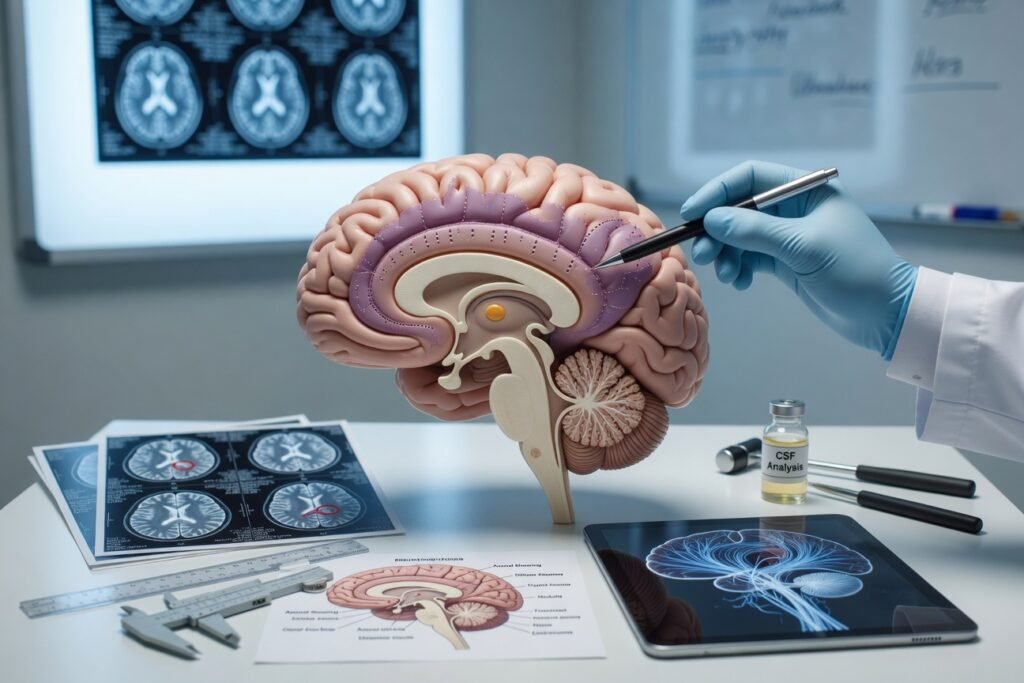
Think of your brain floating in cerebrospinal fluid inside your skull—that fluid is supposed to cushion it like water around a sponge. When you experience a sudden acceleration or deceleration (like a collision, fall, or being struck), your brain actually lags behind the movement of your skull. That lag causes your brain tissue to stretch and shear at the cellular level, disrupting the normal electrical and chemical communication between neurons. This isn’t a bruise in the traditional sense. It’s a metabolic emergency.
What happens next is counterintuitive: your brain initially responds with increased activity. Neurons fire more rapidly. Your brain burns glucose at a faster rate. Blood vessels constrict rather than dilate, paradoxically reducing blood flow when your brain needs more oxygen. This mismatch between energy demand and energy supply—called the metabolic cascade—can persist for days or weeks. Meanwhile, calcium floods into cells, triggering cellular damage. This is why someone can appear fine immediately after a concussion but deteriorate hours later, and why complete rest in the first 24-48 hours actually matters physiologically, not just symptomatically.
What Causes Concussions and Who’s Most at Risk
The obvious culprits are contact sports: football, ice hockey, rugby, soccer, and lacrosse account for the majority of sports-related concussions. But here’s what often gets overlooked—falls cause more concussions overall than sports. In adults over 65, falls are the leading mechanism of traumatic brain injury, and in children under 4, falls from furniture and playground equipment cause more concussions than organized sports.
Motor vehicle accidents, assaults, and non-contact mechanisms matter too. You can absolutely get a concussion from deceleration alone—think of someone slamming on the brakes suddenly while driving, or a child rolling off a changing table. The impact doesn’t have to be to the head itself; a sudden jarring force to the body can produce sufficient acceleration-deceleration to concuss the brain.
The less-discussed risk factor: prior concussions. Someone who has sustained one concussion has a 3-6 times greater risk of suffering another. This isn’t because the brain is “weak” or permanently damaged—it’s because the same mechanism that predisposed them to the first injury (less neck strength, certain genetic factors, rapid head acceleration tolerance) is still present. Additionally, the metabolic vulnerability created by previous injuries may lower the threshold for subsequent ones. Age matters significantly too. Adolescent brains are still developing, and mounting evidence suggests teenagers take longer to recover and may be more susceptible to repeated injury.
Recognizing Concussion Symptoms—Including the Quiet Ones
Most people know to watch for obvious symptoms: confusion, loss of consciousness, dizziness, headache. But the constellation of postconcussive symptoms extends far beyond these headline indicators. You might experience sensitivity to light and sound that feels almost physical—not a preference to dim the lights, but actual pain when exposed to normal brightness or noise. Concentration becomes genuinely difficult. You might read the same sentence three times and retain nothing. Memory gaps for the immediate period around the injury are common.
Less obvious but equally telling: emotional volatility. Irritability and low frustration tolerance appear in roughly 30% of cases. Sleep disruption—either insomnia or excessive sleepiness—occurs frequently. Some patients report a sensation of “brain fog,” where everything feels like they’re thinking through water. Neck pain and shoulder tension can be prominent. Nausea without vomiting is common in the first few hours.
The overlooked early warning signs? Balance problems that appear only when you’re fatigued (do a tandem stance test after walking for 10 minutes), difficulty making quick decisions, anxiety about normal activities, and a vague sense of feeling “off” that patients struggle to articulate. Young children might become withdrawn or behavioral changes might emerge—they don’t complain of headache; they just stop engaging normally.
How Concussion Gets Diagnosed
There’s no blood test for concussion. No CT scan that definitively proves it. Diagnosis rests on a clinical gestalt combining mechanism of injury, reported symptoms, and findings on neurological examination. This is both the challenge and the honesty of concussion medicine—it requires clinical judgment applied to patient report, not a single objective marker.
Your physician will ask detailed questions about how the injury occurred, whether there was any loss of consciousness (even momentary), what you remember or don’t remember. They’ll perform a baseline neurological exam checking your cranial nerves, motor strength, sensation, balance, and reflexes. Some providers use the Sport Concussion Assessment Tool (SCAT5) or ImPACT testing—cognitive batteries that measure reaction time, memory, and processing speed. These tests are more useful for tracking recovery than for initial diagnosis.
Imaging—CT or MRI—is typically normal in concussion. Neuroimaging is appropriate when there are “red flag” features: severe mechanism, progressive worsening of symptoms, focal neurological deficits, or any concern for intracranial bleeding or skull fracture. Immediate imaging is warranted if there’s loss of consciousness lasting more than a few seconds, persistent vomiting, or signs of severe injury.
Treatment: What Actually Works
The old paradigm of complete cognitive and physical rest for weeks has evolved. Current evidence supports early mobilization and gradual return to cognitive and physical activity, but this is nuanced and timeline-dependent. Here’s what the research shows:
In the acute phase (first 24-48 hours), relative rest makes sense. This means limiting screen time (the cognitive load and light exposure both stress the recovering brain), reducing exposure to overstimulation, and avoiding strenuous exercise. Avoid napping excessively during the day, as sleep-wake disruption worsens recovery. Medication-wise, acetaminophen or ibuprofen can address acute headache, but prolonged use of nonsteroidal anti-inflammatory drugs hasn’t been shown beneficial for concussion recovery specifically, unlike for other injuries.
Beyond that acute window, graduated return to activities—both cognitive and physical—actually promotes recovery. This isn’t intuitive, but gentle exercise enhances cerebral blood flow and supports the metabolic recovery cascade. Your physician might recommend a graded return-to-play protocol: starting with light aerobic activity that doesn’t elevate heart rate above 50-70% maximum, progressing daily if symptom-free, advancing to sport-specific drills, then returning to practice, and finally game participation.
For persistent symptoms (lasting beyond 2-4 weeks), specific interventions show benefit. Physical therapy targeting vestibular function (balance and eye tracking) helps when dizziness and balance problems are dominant. Cognitive rehabilitation therapy assists with focus and memory issues. For headache that persists, preventive medications like topiramate or amitriptyline are sometimes used off-label. Cervical spine treatment addresses neck pain when present. Some emerging evidence supports transcranial photobiomodulation in refractory cases, though this remains research-stage.
Managing Concussion Day-to-Day
Practically speaking: establish a consistent sleep schedule and prioritize sleep quality—recovery literally happens during sleep. Use blue light filters on screens (apps like f.lux help) or blue light-blocking glasses after dark. Break cognitive work into shorter intervals; if you normally study for 90 minutes, try 25-30 minute blocks with breaks until you’re fully recovered. Avoid multitasking assiduously. Your brain’s ability to switch between tasks is compromised, making multitasking more effortful and less productive.
Caffeine use is worthwhile—it can improve cognitive performance during recovery, though avoid excessive amounts that disrupt sleep. Manage sensory input: keep environments quieter, reduce unnecessary lighting, wear sunglasses if light sensitivity is significant. Hydration matters; dehydration worsens cognitive symptoms and headache. Nutrition should emphasize omega-3 fatty acids (salmon, walnuts, chia seeds) and antioxidants (berries, leafy greens)—these support neural health during recovery.
Most importantly: communicate your limitations clearly. Tell your employer or school about your condition. Advocating for activity modifications isn’t weakness; it’s preventing the cascade of repeated micro-injuries that impede recovery.
Prevention: What the Evidence Actually Shows
Neck strengthening exercises genuinely reduce concussion risk in athletes. Multiple studies demonstrate that a strong neck—developed through specific resistance training—absorbs impact forces better and reduces head acceleration. This is one prevention strategy with robust evidence, particularly for young athletes in contact sports. Programs targeting neck flexors, extensors, and lateral flexors, done 2-3 times weekly during the season, show measurable risk reduction.
Proper equipment matters but with caveats. Helmets prevent skull fractures and intracranial bleeding, saving lives. But they don’t prevent concussions—no helmet entirely eliminates the acceleration-deceleration forces to the brain. Mouthguards, contrary to common belief, don’t prevent concussions either, though they reduce dental and jaw injuries. Proper technique in sports—in tackling, heading in soccer, collision avoidance—matters significantly and is often underemphasized.
Baseline cognitive testing before the season allows comparison if injury occurs, making diagnosis clearer and recovery tracking more objective. Early recognition and removal from activity immediately after injury is paramount; the vast majority of benefits from intervention come from removing the injured person from further trauma risk during the vulnerable recovery window.
Frequently Asked Questions
How long until I can return to sports after a concussion?
Return-to-play timelines are individualized, not fixed. Most high school and college athletes follow a graded protocol progressing through 5-6 stages over 1-2 weeks, advancing one stage daily if symptom-free. However, some athletes need 3-4 weeks, while others recover in 7-10 days. The key is being symptom-free at rest, during light exercise, and during sport-specific exertion before advancing. Rushing this process significantly increases injury risk.
Can I get a concussion from a single blow to the body without head contact?
Yes, absolutely. Rapid deceleration from a body blow—like being struck in the chest or tack
Sources & Medical References
HealthTopics.com articles are based on peer-reviewed medical research and guidance from the NIH, CDC, and WHO. See our editorial policy for full sourcing standards.