DASH Diet and Blood Pressure: What Your Doctor Won’t Tell You at Your 10-Minute Visit
Maria, a 54-year-old administrative assistant, sat in my office convinced she needed medication for her 148/92 blood pressure reading. Her internist had already written the prescription for lisinopril. But when I asked what she actually ate in a typical day—two bagels with cream cheese for breakfast, a deli sandwich for lunch, and takeout chicken with rice for dinner—I realized her blood vessels weren’t the problem yet. Her sodium intake was probably running 4,000 to 5,000 milligrams daily. Most people think the DASH diet is just “eat more vegetables and less salt.” That’s like saying heart surgery is just “fixing the plumbing.” The actual mechanism involves potassium-sodium ratios, aldosterone suppression, endothelial function recovery, and vascular smooth muscle relaxation. The DASH diet isn’t a diet you follow when you’re already sick. It’s a physiological intervention that prevents you from needing medication in the first place.
Key Facts About DASH Diet
- According to the NIH, strict adherence to DASH diet reduces systolic blood pressure by 8-14 mmHg—equivalent to a first-generation antihypertensive medication for many patients.
- The diet limits sodium to 2,300 mg daily (standard DASH) or 1,500 mg daily (lower-sodium DASH), compared to the American average of 3,400 mg.
- A JAMA study found that patients combining DASH diet with weight loss of just 10 pounds reduced systolic pressure by an average of 20 mmHg without medications.
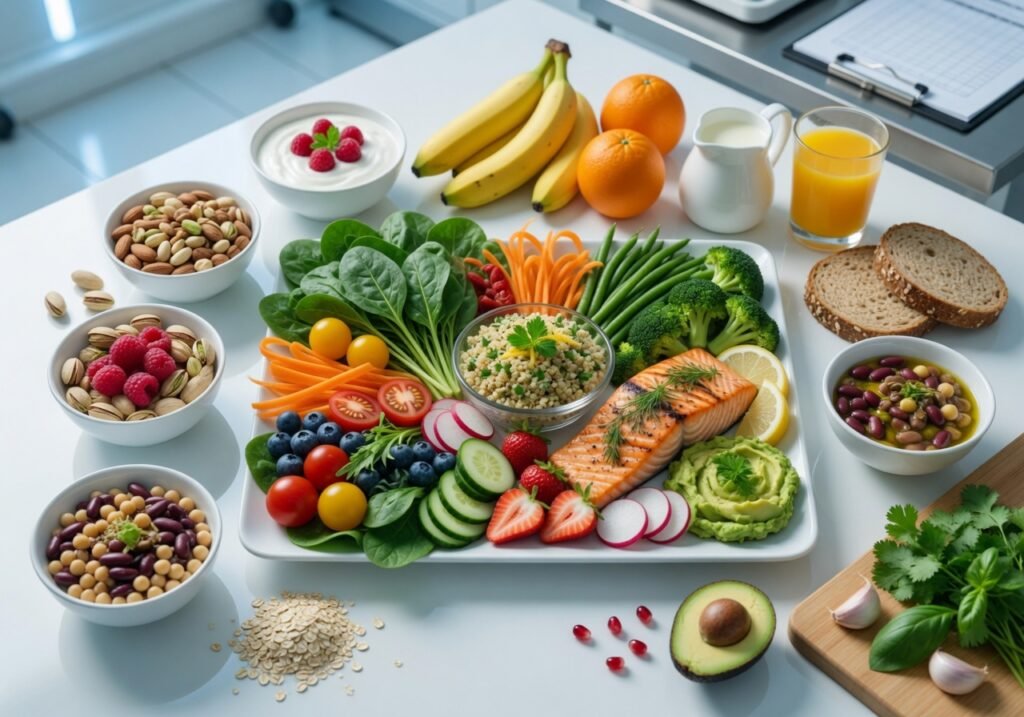
- The pattern emphasizes whole grains (6-8 servings daily), vegetables (4-5 servings), fruits (4-5 servings), lean proteins (6 ounces), and limits saturated fat to less than 6% of daily calories.
- CDC data shows that roughly 77 million Americans have hypertension, yet fewer than 25% maintain their blood pressure below 130/80 mmHg—making dietary intervention critically underutilized.
Understanding How DASH Works Inside Your Body
Think of your blood vessels like a tension cable on a construction crane. When tension is too high, the cable snaps. When it’s too low, it can’t hold the load. Your arteries operate the same way. Most Americans consume a 1:1 ratio of sodium to potassium—exactly backwards from what your kidneys evolved to handle. DASH flips that ratio.
Here’s the mechanism your pharmacist won’t explain at the pickup counter: sodium holds onto water in your bloodstream, increasing fluid volume and pressure. Potassium does the opposite—it pulls water back out through your kidneys. When you eat a banana (422 mg potassium) instead of a bag of chips (400 mg sodium), you’re not just making a “healthier choice.” You’re triggering a cascade of hormonal shifts. Your aldosterone levels drop, meaning less sodium reabsorption in your kidneys. Nitric oxide production increases in your endothelial cells, allowing blood vessels to relax more effectively. Your sympathetic nervous system downregulates—that’s the part that keeps your heart race elevated even when you’re sitting still.
The weight loss that accompanies DASH magnifies these effects. Losing 10 pounds reduces the total blood volume your heart needs to pump and decreases inflammatory markers like C-reactive protein that contribute to arterial stiffness.
Root Causes and Risk Factors That Actually Matter
Hypertension doesn’t arrive from nowhere. Your blood pressure elevation is a symptom of what came before it. The primary culprits are sodium overload, potassium deficiency, weight gain, and sedentary lifestyle—that’s not news. What most articles skip: the role of fructose. Table sugar and high-fructose corn syrup trigger uric acid production in your liver, which impairs nitric oxide synthesis and increases systemic inflammation. A patient eating cereal sweetened with high-fructose corn syrup for breakfast is doing more damage to their arteries than someone eating unsalted nuts, even though the nuts have more calories.
Ultra-processed foods create another problem—they contain not just excess sodium, but also refined carbohydrates that spike insulin levels. Hyperinsulinemia activates the sympathetic nervous system and increases sodium reabsorption in the kidneys. You’re looking at a vicious cycle: processed food → insulin spike → sympathetic activation → sodium retention → higher blood pressure → more stress → more processed food choices.
Alcohol consumption above 2 drinks daily for men and 1 for women raises blood pressure through direct effects on vascular tone and through increased aldosterone activity. Many patients cut sodium obsessively while still consuming three glasses of wine nightly and wonder why their pressure remains elevated.
What You’ll Actually Experience When Your Diet Matters
Blood pressure changes don’t announce themselves dramatically. You won’t feel your endothelial function improving. But watch for these signs over the first 4-6 weeks of DASH adherence: reduced morning headaches (many hypertensive headaches come from fluid shifts overnight), better sleep quality (sympathetic downregulation happens partly during sleep), less afternoon fatigue, improved workout recovery, and reduction in ankle swelling—that last one matters because peripheral edema signals sodium and fluid retention.
Early warning signs you’ve been eating the wrong way—and missing—include persistent facial puffiness, waking with tight rings on your fingers (fluid retention), persistent muscle cramps (potassium depletion), and unusual thirst or dry mouth (osmotic effects from high sodium intake).
How Blood Pressure Gets Diagnosed and Monitored
The medical establishment still relies on three visits with readings above 130/80 mmHg to diagnose hypertension. But here’s what matters for DASH diet intervention: you need a baseline. Get your blood pressure checked at home using an FDA-validated device—not the kiosk at the pharmacy—before you change anything. Record readings at the same time daily for at least a week. Many patients qualify for “white coat hypertension,” where office readings spike from anxiety but home readings remain normal. DASH is still protective, but you need honest baseline data.
What the diagnosis actually looks like from inside your experience: multiple visits to your doctor’s office, possibly wearing a 24-hour ambulatory monitor (a small device recording every 15-30 minutes), blood work to check kidney function and electrolytes, and maybe an EKG to see if your heart has already thickened from years of pressure overload. If left ventricular hypertrophy already exists, dietary management alone won’t reverse it—you’ll need pharmacotherapy too.
Treatment Options: When DASH Works Alone vs. When It Doesn’t
Here’s the honest clinical picture: DASH diet alone achieves blood pressure control in approximately 40-50% of stage 1 hypertensive patients (130-139 systolic or 80-89 diastolic). For those with stage 2 hypertension (≥140/90), DASH typically serves as an adjunct to medication, not a replacement.
For patients who need medication alongside DASH, ACE inhibitors (lisinopril, enalapril) and ARBs (losartan, valsartan) work particularly well because they don’t interfere with potassium regulation the way older diuretics do. Calcium channel blockers (amlodipine, diltiazem) also pair well with DASH since the diet naturally supports some of their mechanisms. Avoid hydrochlorothiazide (a thiazide diuretic) if you’re doing DASH—it causes potassium wasting, directly opposing your dietary strategy.
Resistant hypertension—blood pressure remaining uncontrolled on three medications—sometimes responds dramatically to DASH because the dietary cause was never addressed. I’ve seen patients on atenolol, lisinopril, and nifedipine drop one or two medications within 8-12 weeks once they actually followed DASH consistently.
Practical Daily Management: Stop Wasting Your Effort
Forget counting servings. Buy a food scale. The difference between “a serving of chicken” (3 ounces) and what most people eat (8 ounces) explains why so many DASH attempts fail. Weigh your proteins for two weeks. You’ll develop intuition.
For sodium reduction, the real strategy isn’t avoiding table salt added at home—that’s roughly 11% of sodium intake. It’s eliminating processed foods. One can of soup contains 800-1,200 mg sodium. One frozen meal, 1,000-1,500 mg. One fast-food burger, 1,100 mg. Swap these for actual food: grilled chicken breast (no seasoning added by industry), roasted sweet potato, steamed broccoli. You control every sodium molecule.
Potassium sources beyond bananas: white beans (962 mg per cup cooked), spinach (839 mg per cup raw), sweet potato (540 mg medium baked), and avocado (485 mg per half). If you have kidney disease, your nephrologist needs to approve high potassium intake, but most people need more, not less.
For behavioral adherence, prep your vegetables every Sunday: wash and chop bell peppers, snap peas, carrots, and celery. This single action—done when you have mental energy, not at 6 PM when you’re exhausted—doubles your chances of actually eating them instead of defaulting to processed snacks.
Prevention: What Actually Stops Hypertension Before It Starts
The strongest evidence shows that DASH maintenance in prehypertensive individuals (120-129 systolic, less than 80 diastolic) prevents progression to diagnosed hypertension in roughly 65-70% of cases. That’s not perfect, but it’s more protective than any supplement or wellness app.
Start DASH in your 40s if you have hypertension family history—don’t wait until your first elevated reading at 55. The vascular damage accumulates silently for years. Prevention works best before that arterial stiffness becomes structural rather than functional.
One caveat: DASH prevention is only meaningful if you actually stay on it. Most people revert to old eating patterns within 6 months. The prevention that works is the one you’ll sustain, which means finding a version of DASH you can genuinely stick with, not the strictest version some doctor recommended.
Frequently Asked Questions
Can DASH diet replace blood pressure medication?
For approximately 40-50% of stage 1 hypertension patients, yes. For stage 2 or higher, DASH is an adjunct to medication, not a replacement. Never stop taking prescribed antihypertensives without your doctor’s explicit approval. Your blood pressure should be monitored weekly after any change, and only your physician should determine if medication can be reduced.
How quickly will my blood pressure drop on DASH?
Most people see measurable changes within 2-4 weeks if they’re strict about sodium reduction and whole food consumption. However, complete adaptation—where your kidneys reset their sodium-potassium balance—takes 8-12 weeks. The first drop you see is from fluid shifts; the more meaningful drop happens later from actual vascular changes.
What about salt substitutes with potassium chloride?
Products like NoSalt or Nu-Salt reduce sodium while adding potassium, which sounds ideal. But they taste metallic to most people, and overdoing them can cause hyperkalemia (excess potassium) if you have kidney disease. Use them sparingly as
Sources & Medical References
HealthTopics.com articles are based on peer-reviewed medical research and guidance from the NIH, CDC, and WHO. See our editorial policy for full sourcing standards.