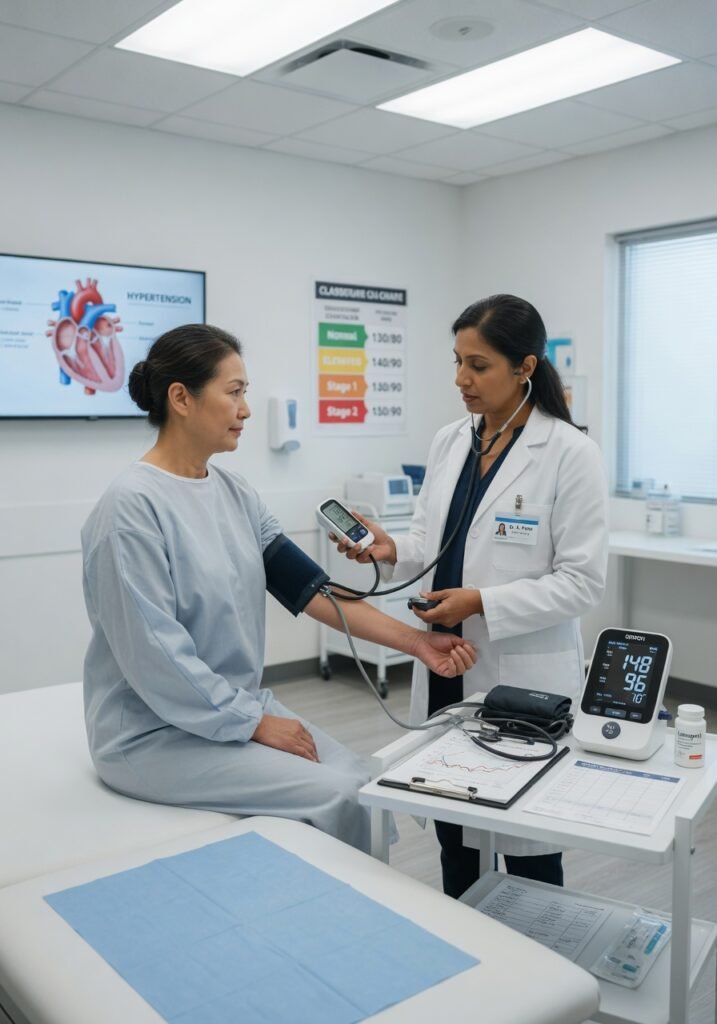

Hypertension: Understanding High Blood Pressure
Hypertension, commonly known as high blood pressure, is a chronic condition where the force of blood pushing against artery walls is consistently too high. This silent condition affects approximately one in three American adults, yet many don’t realize they have it until serious complications develop. Understanding how hypertension develops, its warning signs, and proven management strategies is essential for protecting your heart health and overall well-being.
Key Facts
- Normal blood pressure is below 120/80 mmHg; hypertension is 130/80 mmHg or higher
- Hypertension is often called a “silent killer” because it typically causes no symptoms
- Left untreated, high blood pressure damages arteries and organs, increasing heart disease and stroke risk
- Lifestyle modifications combined with medication can control hypertension in most people
- Regular blood pressure monitoring is the only way to detect hypertension early
What Is Hypertension?
Hypertension occurs when blood pressure—the force exerted by circulating blood against artery walls—remains elevated over time. Blood pressure readings contain two numbers: systolic pressure (the upper number) measures pressure when your heart beats, while diastolic pressure (the lower number) measures pressure when your heart rests between beats.
The American Heart Association defines hypertension as readings of 130/80 mmHg or higher on multiple occasions. This differs from previous standards, reflecting updated understanding of cardiovascular risk at these levels. Your doctor categorizes blood pressure into four categories:
- Normal: Below 120/80 mmHg
- Elevated: Systolic 120-129 and diastolic below 80 mmHg
- Stage 1 hypertension: Systolic 130-139 or diastolic 80-89 mmHg
- Stage 2 hypertension: Systolic 140 or higher or diastolic 90 or higher mmHg
- Hypertensive crisis: Systolic higher than 180 and/or diastolic higher than 120 mmHg—requiring immediate medical attention
Hypertension exists in two primary forms. Primary (essential) hypertension has no identified medical cause and accounts for 90-95% of cases, typically developing gradually over years. Secondary hypertension results from underlying conditions like kidney disease, thyroid problems, or sleep apnea and develops suddenly.
Causes and Risk Factors
Primary hypertension develops from a combination of genetic predisposition and lifestyle factors. If your parents had high blood pressure, your risk increases significantly. Age also plays a role—blood vessels naturally become stiffer as we age, increasing hypertension risk, particularly for people over 65.
Several modifiable risk factors contribute to developing hypertension:
- Excessive sodium intake: Salt increases water retention, elevating blood volume and pressure
- Sedentary lifestyle: Physical inactivity weakens the heart and increases cardiovascular strain
- Overweight and obesity: Extra body weight requires more oxygen-rich blood, increasing pressure on artery walls
- Excessive alcohol consumption: More than 1-2 drinks daily can raise blood pressure
- Chronic stress: Prolonged stress hormones can elevate blood pressure over time
- Poor sleep quality: Sleep deprivation and sleep disorders disrupt blood pressure regulation
- High sugar intake: Refined carbohydrates contribute to weight gain and insulin resistance
Non-modifiable factors include African American ancestry (which carries higher hypertension risk and earlier onset), sex (men develop hypertension earlier than women), and family history. Women’s risk increases significantly after menopause due to hormonal changes.
Signs and Symptoms
Hypertension earned the nickname “silent killer” because most people experience no symptoms, even when blood pressure reaches dangerous levels. This absence of warning signs means many individuals unknowingly live with hypertension for years, allowing silent organ damage to accumulate.
Some people with significantly elevated blood pressure may experience:
- Headaches, particularly at the back of the head
- Shortness of breath during normal activities
- Dizziness or lightheadedness
- Nosebleeds
- Chest discomfort or heart palpitations
- Fatigue or difficulty concentrating
These symptoms don’t reliably indicate hypertension—many hypertensive individuals never experience them. Only blood pressure measurement reveals whether you have this condition, making regular monitoring crucial for all adults.
Diagnosis Process
Blood pressure diagnosis requires careful measurement because readings vary throughout the day based on activity, stress, caffeine intake, and other factors. Your doctor typically takes multiple readings over time to confirm hypertension rather than relying on single measurements.
Your healthcare provider measures blood pressure using an inflatable cuff (sphygmomanometer) placed around your upper arm. For accurate readings, sit calmly for five minutes before measurement, with feet flat on the floor and arm supported at heart level. Avoid caffeine and exercise for 30 minutes before testing.
Because blood pressure varies, your doctor may recommend home blood pressure monitoring using an automatic home monitor. This provides readings in your natural environment, helping identify white coat hypertension (elevated readings only in medical settings) or masked hypertension (normal office readings but elevated home readings). Consistent elevated readings across multiple measurements confirm diagnosis.
Once diagnosed with hypertension, your doctor typically orders additional tests including:
- Blood tests to evaluate kidney function and cholesterol
- Electrocardiogram (EKG) to assess heart rhythm and structure
- Urinalysis to check for kidney complications
- Sometimes ultrasound imaging to examine heart and blood vessels
Treatment Options
Hypertension treatment combines lifestyle modifications with medications tailored to your specific situation. Your doctor considers your blood pressure stage, age, overall health, and other cardiovascular risk factors when developing your treatment plan.
Lifestyle modifications form the foundation of hypertension management:
- DASH diet: The Dietary Approaches to Stop Hypertension emphasizes fruits, vegetables, whole grains, lean proteins, and low-fat dairy while limiting sodium to under 2,300 mg daily (ideally 1,500 mg)
- Regular exercise: 150 minutes of moderate aerobic activity weekly reduces blood pressure by 5-8 mmHg
- Weight loss: Losing 10% of body weight can reduce blood pressure by approximately 5-20 mmHg
- Stress reduction: Meditation, yoga, deep breathing, and counseling help manage chronic stress
- Limiting alcohol: No more than 1-2 drinks daily for women and men respectively
- Adequate sleep: Targeting 7-9 hours nightly supports blood pressure regulation
Medications work through different mechanisms. ACE inhibitors and ARBs relax blood vessels by blocking hormones that constrict them. Calcium channel blockers prevent calcium from entering heart and blood vessel cells, reducing contractions. Diuretics remove excess sodium and fluid through urine. Beta-blockers reduce heart rate and force. Vasodilators directly relax vessel muscles. Your doctor often prescribes combination therapy with multiple medication classes for optimal control.
Living With and Managing Hypertension
Successfully managing hypertension requires consistent effort and ongoing medical partnership. Take prescribed medications exactly as directed, even when feeling well—the goal is preventing future complications, not treating current symptoms.
Monitor your blood pressure regularly using a home device, keeping logs to share with your doctor. Recognize common medication side effects like fatigue, dizziness, or sexual dysfunction, reporting these to your healthcare provider for adjustment options. Attend all scheduled appointments for blood pressure checks and medication adjustments.
Tips
- Check blood pressure at the same time daily for consistent readings
- Keep a written record of readings to identify patterns and medication effectiveness
- Set phone reminders for medication times
- Join a support group connecting with others managing hypertension
- Read food labels for sodium content before purchase
- Use a kitchen scale to portion meals accurately
- Schedule regular follow-up appointments with your healthcare provider
Prevention Strategies
If you don’t have hypertension, lifestyle modifications significantly reduce your risk of developing it. Even people with genetic predisposition can delay or prevent hypertension onset through consistent healthy habits.
Maintain a healthy weight by consuming balanced portions of nutrient-dense foods and engaging in regular physical activity. Include cardiovascular exercise like brisk walking, swimming, or cycling at least 150 minutes weekly. Reduce sodium intake dramatically by preparing meals at home rather than eating processed or restaurant foods, which contain 75% of dietary sodium.
Manage stress through meditation, prayer, hobbies, social connection, and professional counseling when needed. Limit alcohol consumption strictly, and avoid tobacco completely. Achieve consistent, quality sleep through regular schedules and bedroom environment optimization. Regular blood pressure screening beginning at age 20 identifies early elevation, allowing preventive intervention before hypertension becomes established.
Frequently Asked Questions
Can hypertension be cured completely?
Hypertension is typically managed rather than cured. However, significant lifestyle modifications—particularly weight loss, sodium reduction, and increased exercise—can lower blood pressure enough that some people discontinue medications under medical supervision. Achieving sustained normal readings without medication represents “remission” rather than cure, as the underlying condition can resurface without continued healthy habits.
How often should I check my blood pressure at home?
The American Heart Association recommends daily blood pressure checks for people with hypertension, ideally at the same time each morning before taking medication. This consistency helps your doctor identify treatment effectiveness and adjust medications if needed. Some people benefit from evening readings as well, particularly when adjusting medications or managing resistant hypertension.
Is white coat hypertension dangerous?
White coat hypertension—elevated readings only in medical settings due to anxiety—was previously considered benign. Recent research indicates that people with white coat hypertension have slightly elevated cardiovascular risk compared to those with consistently normal readings, though not as high as those with sustained hypertension. Your doctor may recommend home monitoring to distinguish between white coat and sustained hypertension before starting medications.
Sources & Medical References
HealthTopics.com articles are based on peer-reviewed medical research and guidance from the NIH, CDC, and WHO. See our editorial policy for full sourcing standards.