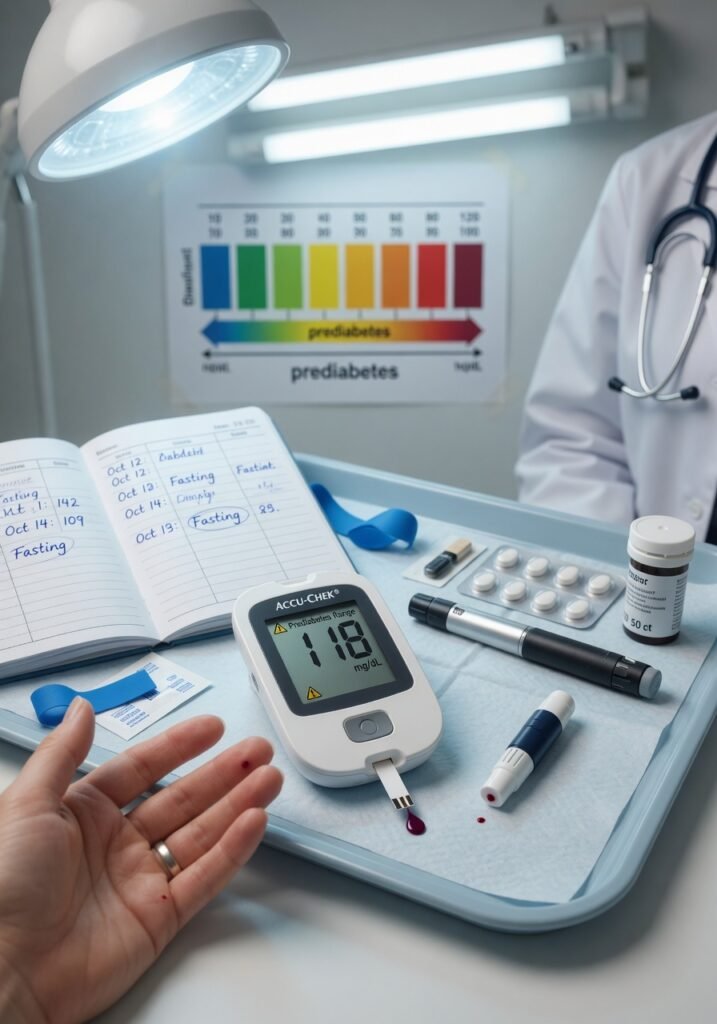
Can You Actually Reverse Prediabetes? Yes—But Most People Get the Timeline Wrong
Sarah, 44, walked into my office after her annual physical with an A1C result of 5.9%. “So I’m prediabetic?” she asked. “How long do I have before this becomes diabetes?” It’s the question I hear almost weekly, and the honest answer is this: prediabetes isn’t a waiting room for inevitable type 2 diabetes. You can reverse it. But the reversal window is narrower than most patients realize, and it requires changes more specific than “eat better and exercise.”
Prediabetes is actually a metabolic alarm system that your body is pushing against its glucose handling limits. Here’s what makes it different from diabetes: your pancreas can still compensate. Your blood sugar control hasn’t completely broken down yet. But if you don’t act now, it will. The tricky part? Most people don’t feel sick enough to change. No symptoms. No pain. Just a number on a lab report that feels abstract until the moment it becomes type 2 diabetes and suddenly it’s real.
Key Facts About Prediabetes
- The CDC estimates 96 million American adults have prediabetes, yet only 15% know they have it
- An A1C of 5.7% to 6.4% defines prediabetes; at 6.5% and above, it’s classified as type 2 diabetes
- Without intervention, 15-30% of people with prediabetes develop type 2 diabetes within five years
- Weight loss of just 5-7% of body weight combined with 150 minutes of moderate activity weekly can reduce diabetes progression by 58% in adults over 60 and 71% in those under 60, according to the Diabetes Prevention Program
- Prediabetes increases cardiovascular disease risk even before type 2 diabetes develops, making early intervention protective for heart and stroke risk
Understanding Prediabetes: What’s Actually Happening
Think of your cells as having locks, and insulin as the key. In a healthy body, insulin opens those locks efficiently, and glucose flows into cells for energy. With prediabetes, the locks are getting rusty. Insulin still works—it’s still opening them—but it has to work harder. Your pancreas compensates by pumping out more insulin. For a while, this works. Your blood sugar stays technically normal.
But here’s where it gets critical: this hyperinsulinemia (that’s elevated insulin levels) is exhausting your pancreas. Meanwhile, your cells are bathed in excess insulin, and over time, they respond less and less. This is insulin resistance, and it’s progressive. Your fasting glucose creeps up. Your post-meal blood sugar lingers higher. Eventually, your pancreas can’t keep up anymore. That’s when you cross into type 2 diabetes.
The clinical insight most mainstream articles miss: prediabetes is often accompanied by disordered lipid metabolism that doesn’t show up on standard cholesterol panels. Your triglycerides-to-HDL ratio starts deteriorating long before your A1C moves. This means the metabolic damage is broader than just glucose control, which is why diet changes need to address fat metabolism, not just carbohydrate restriction.
Causes and Risk Factors: It’s Not Just Weight
Yes, obesity increases prediabetes risk substantially. But here’s the truth: not all overweight people develop it, and some lean people do. The driver is insulin resistance, which has multiple causes.
Age matters—insulin sensitivity naturally declines around 3-5% per decade starting in your 30s. Family history matters enormously; if your parents have type 2 diabetes, your risk increases 40-50%. Physical inactivity is a major culprit, independent of weight. But the overlooked factor? Sleep fragmentation. JAMA published research showing that poor sleep quality (not just short sleep duration) increases prediabetes risk by 26%. You can sleep eight hours but wake five times, and your glucose metabolism suffers. Sleep deprivation disrupts hormones that regulate appetite and glucose handling—cortisol and ghrelin spike, making insulin resistance worse.
Certain ethnic groups have higher prevalence: Hispanic, Black, Asian American, and Native American populations develop prediabetes and type 2 diabetes at higher rates, partly due to genetic predisposition and partly due to health disparities in access to preventive care. Polycystic ovary syndrome (PCOS) substantially elevates risk in women. And yes, diet composition matters—refined carbohydrates and sugary beverages drive the risk, but so does a pattern of eating too quickly without adequate fiber, which prevents the gradual rise in blood sugar that would normally trigger insulin response.
Signs and Symptoms: What You Actually Feel
Here’s the uncomfortable truth: many people with prediabetes feel nothing. Completely normal. That’s why lab screening is essential, not optional.
But some people do notice subtle changes. Increased thirst, especially in the afternoon when blood sugar starts climbing. Fatigue that feels different from normal tiredness—less like needing sleep and more like your body is sluggish and inefficient. Some patients describe brain fog, particularly mid-morning or two hours after a large carbohydrate-heavy meal. Frequent urination can occur, though it’s more common in diabetes.
An overlooked early sign: slower wound healing. A paper cut takes longer to close. A blister from new shoes takes weeks to improve. This happens because elevated glucose impairs white blood cell function and collagen synthesis. Dark patches of skin (acanthosis nigricans) on the neck, armpits, or groin can appear—these indicate severe insulin resistance. Recurrent yeast infections or urinary tract infections become more frequent because glucose in urine feeds fungal growth.
Diagnosis: What the Numbers Actually Mean
Diagnosis starts with lab work. Your doctor will likely order a fasting glucose test or an A1C, and possibly both.
Fasting glucose between 100-125 mg/dL indicates prediabetes. A1C between 5.7-6.4% indicates prediabetes. Some doctors also use an oral glucose tolerance test (OGTT), where you drink 75 grams of glucose and they check your blood sugar two hours later; 140-199 mg/dL indicates prediabetes. The A1C is easier and doesn’t require fasting, so it’s becoming standard.
Here’s what matters to understand: A1C reflects your average blood sugar over three months. One test isn’t destiny. If your A1C is 5.7%, that’s technically prediabetes, but you’re at the threshold. At 6.2%, you’re in the middle of the range and genuinely at risk. Many doctors recommend repeat testing to confirm the diagnosis, especially if you’re near the cutoff. The process typically involves a conversation about your family history, weight, physical activity, and diet, followed by risk stratification. Some doctors use risk assessment tools like the American Diabetes Association’s screener.
Treatment Options: What Actually Works
The first-line treatment is behavioral—diet and exercise changes. Not because they’re cheap, but because they’re the most effective. The Diabetes Prevention Program, published in NEJM, showed that lifestyle intervention reduced progression to diabetes by 58% over three years. That’s better than any medication.
But behavior change is hard, and compliance drops significantly after the first year. This is where medications come in. Metformin is the traditional choice. It works by decreasing hepatic glucose production and improving insulin sensitivity. The DPP study showed metformin reduced diabetes progression by 31%, less effective than lifestyle but still significant, especially in people over 60.
Newer GLP-1 receptor agonists like semaglutide (Ozempic, Wegovy) and tirzepatide (Zepbound) are showing promise for prediabetes reversal, though they’re not yet FDA-approved for prediabetes specifically. They improve insulin secretion and reduce appetite, and early evidence suggests they may be more effective than metformin in some populations. SGLT2 inhibitors like empagliflozin (Jardiance) may help by increasing glucose excretion through urine.
The reality: behavioral intervention works best, but it requires intensive support. Some practices offer diabetes prevention programs with coaching and group meetings—these substantially improve outcomes. Combining behavioral changes with metformin can be reasonable if someone has multiple risk factors or a strong family history.
Practical Daily Management: Concrete Changes That Matter
Generic advice to “eat healthier” doesn’t work. You need specific strategies.
Start with meal timing and composition. Eating carbohydrates with protein and fat slows glucose absorption. A bagel with cream cheese causes a different blood sugar response than a bagel alone. Breakfast timing matters—eating within two hours of waking stabilizes fasting glucose better than skipping breakfast.
Physical activity doesn’t mean gym membership. Twenty minutes of brisk walking after meals (not before) reduces post-meal blood sugar spikes by up to 30%. Resistance training two days weekly preserves muscle mass, which is crucial for glucose uptake. Even standing instead of sitting for two-minute intervals throughout the day improves glucose handling.
Sleep is non-negotiable. Aim for consistent sleep and wake times, avoid screens 30 minutes before bed, keep your bedroom cool. If you suspect sleep apnea (loud snoring, witnessed breathing pauses), get screened—untreated sleep apnea worsens insulin resistance.
Stress reduction genuinely helps. Cortisol elevation from chronic stress worsens insulin resistance. This doesn’t mean meditation is a cure, but consistent practices reduce cortisol significantly. Even ten minutes of deep breathing reduces fasting glucose over weeks.
Monitor your own response. Some people do better with lower carbohydrate intake, others with lower fat. Checking your blood sugar two hours after meals (using a glucose meter or continuous monitor) shows you exactly which foods spike you. A bowl of oatmeal might spike one person’s glucose more than a sandwich does another’s.
Prevention and Reversal: The Real Timeline
Prevention is possible if you haven’t developed prediabetes yet. Maintain normal weight, exercise regularly, eat whole foods. But if you’re reading this because you already have prediabetes, reversal is your goal.
The timeline depends on how aggressive you are. With intensive lifestyle intervention, A1C can drop 0.5-1.5% over six months. Some people actually normalize their A1C to below 5.7%. This isn’t permanent effortlessly—the changes need to continue. But reversal is genuinely achievable. The catch: the longer you’ve had prediabetes, the harder reversal becomes. Each year increases the likelihood that your beta cells (the insulin-producing cells in your pancreas) have been permanently damaged. This is why early detection through screening is critical.
Frequently Asked Questions
Sources & Medical References
HealthTopics.com articles are based on peer-reviewed medical research and guidance from the NIH, CDC, and WHO. See our editorial policy for full sourcing standards.