You’ve Probably Been Sold a Lie About Teeth Whitening
Sarah, a 38-year-old marketing executive, spent $400 on a “professional-grade” whitening kit from a pop-up dental experience in her mall last year. She assumed that because it was called “professional,” it contained the same bleaching agents her dentist uses. Six months later, her teeth were barely whiter, and she’d wasted money on an unregulated treatment that sat in a drawer. Here’s what actually matters: professional whitening and over-the-counter whitening are fundamentally different products. Professional treatments use peroxide concentrations of 15-35%, applied by someone who can assess your tooth structure and gum health. Most store-bought strips contain 3-10% peroxide at best. The misconception isn’t that whitening works—it does—but that all whitening is created equal. Your choice of method actually determines whether you get visible results or buyer’s remorse.
Key Facts About Teeth Whitening
- Professional in-office whitening produces shade changes of 6-8 levels on the shade guide within a single 45-minute session, while at-home strips typically achieve 2-3 shade improvements over two weeks
- Approximately 72% of Americans have used some form of tooth whitening product in their lifetime, according to general dentistry surveys, yet only about 15% maintain results beyond one year
- Hydrogen peroxide and carbamide peroxide are the only two active ingredients proven effective by the American Dental Association, with carbamide peroxide breaking down into hydrogen peroxide as the actual bleaching agent
- Tooth sensitivity occurs in 40-67% of patients who use professional whitening, but typically resolves within 24-48 hours post-treatment with proper management
- Results last an average of 6-12 months with professional treatments and 3-6 months with over-the-counter products, depending on diet, smoking status, and your baseline enamel thickness
Understanding How Teeth Actually Whitening Works
Your tooth has three layers: the hard outer enamel, the softer middle dentin, and the inner pulp chamber containing the nerve. Discoloration happens in two ways—extrinsic staining sits on the enamel surface (coffee, red wine, tobacco), while intrinsic staining embeds itself within the dentin layer itself. Think of it like trying to clean a white fabric versus bleaching yellowing fabric.
When peroxide gel contacts your teeth, it penetrates the enamel and breaks chemical bonds in chromogenic molecules—basically the colored compounds causing the stain. This happens through oxidation, a chemical reaction that literally restructures how light reflects off your tooth’s internal layers. The bleaching agent doesn’t “paint” your teeth white; it chemically alters the pigmented molecules so they absorb less light and appear lighter. Professional-grade peroxides at higher concentrations work faster and penetrate deeper because they can reach intrinsic staining more effectively. Your dentist controls the process—applying a protective barrier to your gums, using heat or light to sometimes accelerate the reaction, and timing the application to prevent over-bleaching.
Causes and Risk Factors: Why Your Teeth Aren’t White
Certain factors make whitening more difficult or less effective than you’d expect. Age is obvious—dentin naturally yellows over time as enamel thins and becomes more transparent, revealing the yellower layer beneath. Dietary habits matter enormously: coffee, tea, red wine, and cola are the usual suspects, but so is soy sauce, balsamic vinegar, and dark berries. Smoking creates both extrinsic and intrinsic staining that resists whitening.
Here’s the overlooked factor most articles skip: certain medications actually cause intrinsic discoloration by being incorporated into forming enamel or dentin during tooth development. Tetracycline antibiotics given before age eight create gray-brown bands that whitening struggles to touch. Chlorhexidine mouthwash, used for gum disease, can stain teeth brown over months. High-dose fluoride during childhood creates fluorosis—white spots or streaks that won’t whiten further because the mineral deposits are already saturating those areas. Additionally, if you’ve had significant enamel erosion from acid reflux, aggressive brushing, or bulimia, whitening may not work well because the dentin is already exposed and over-bleaching thin enamel causes sensitivity.
Existing dental work also limits results. Bleach cannot whiten composite fillings, crowns, or veneers—they stay their original shade while natural teeth around them get lighter, creating an uneven appearance.
What Whitening Actually Feels Like
Most people don’t notice much during the procedure itself—maybe a slight tingling sensation if you have sensitive teeth. The real experience happens afterward. Within hours, some patients feel a sharp, cold-like sensation in their teeth, especially near the gum line. This isn’t damage; it’s the bleaching agent affecting the fluid inside your tooth tubules, irritating the nerve. It typically peaks 24-48 hours after treatment, then resolves.
You also might notice your teeth look slightly less bright immediately after whitening—this is called “rebound,” where the teeth gradually rehydrate and appear slightly darker over the next few days. The final color stabilizes within a week. Some patients see results after one session; others need three to five sessions spaced one week apart to reach their target shade. An early warning sign many overlook: if you have gum recession, the exposed root surface (which is naturally more porous) may whiten faster and unevenly compared to the enamel, creating a blotchy appearance.
Diagnosis: How Your Dentist Evaluates Whitening Suitability
Your dentist isn’t just confirming you want whiter teeth. They’re running through a specific protocol. First, they examine for active decay—bleaching a tooth with a cavity is pointless and potentially harmful because the peroxide can reach the pulp. They assess gum health; if you have inflammation or recession, whitening can worsen sensitivity and irritate exposed tissues. They check enamel thickness and existing restorations to predict how you’ll respond.
Many practices take a baseline photograph and use a shade guide—a plastic strip with numbered gradations from B1 (whitest) to C3 (very dark). They document your current shade so you can measure progress. Some offices use spectrophotometers, devices that measure tooth color numerically and track changes more precisely than the human eye. They’ll ask about your lifestyle: smoking, diet, and caffeine use all predict how quickly you’ll stain again post-treatment.
Treatment Options: What Actually Works
In-Office Professional Whitening
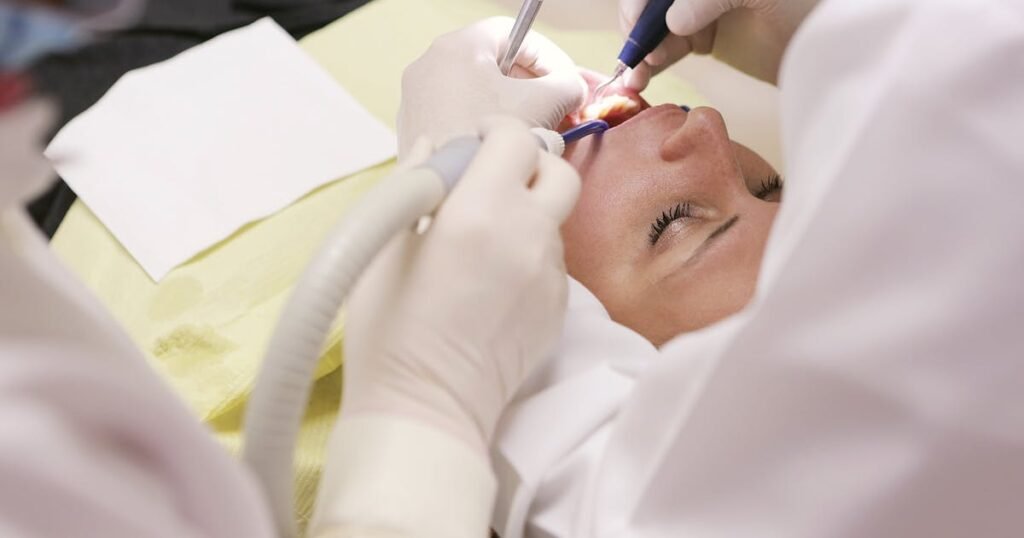
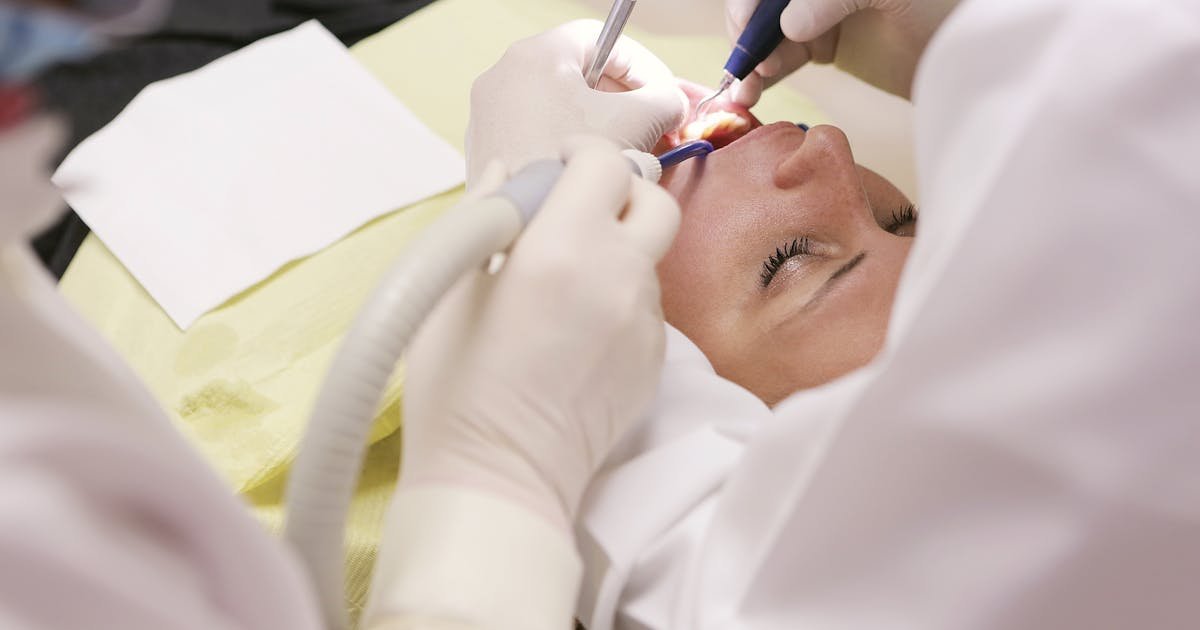
Your dentist applies 25-35% hydrogen peroxide or 35-45% carbamide peroxide directly to your teeth. Some systems use a heat lamp or LED light, though research shows the light itself doesn’t dramatically enhance whitening—the gel concentration matters far more. The entire appointment takes 30-90 minutes. You see dramatic results immediately. This is the gold standard. Cost typically runs $400-1000 per session.
Take-Home Professional Trays
Your dentist creates custom-fitted plastic trays molded to your teeth, then gives you 10-16% carbamide peroxide gel in syringes. You wear the trays for 30-60 minutes daily or overnight for 5-14 days. Results take longer than in-office treatment but cost less ($300-600) and provide excellent results. Sensitivity is usually less because the lower concentration is gentler. This is actually what most patients should choose if they’re willing to follow through.
Over-the-Counter Strips and Gels
You’ve seen Crest Whitestrips everywhere. They contain 5-10% hydrogen peroxide, work through direct contact, and cost $20-60. They do whiten, but results are modest. The problem: the strips don’t contact your back teeth well, and the gel thickness is uneven. Generic store-bought trays are worse—they’re one-size-fits-all, so gel leaks onto gums and doesn’t contact your teeth properly.
Whitening Toothpastes
These contain mild abrasives or polishing agents but rarely contain bleaching peroxide—they remove surface stains only. They’re maintenance tools after professional whitening, not primary treatments.
Whitening Mouthwashes
The peroxide concentration is so low (under 1.5%) and contact time so brief that clinical evidence of actual whitening is essentially absent. Marketing hype, mostly.
Daily Management: Making Whitening Last
Your appointment is done, and you’ve got whiter teeth. Now protect that investment. For the first 48 hours—the “white diet” window—avoid pigmented foods and drinks. This isn’t forever, but your newly bleached teeth are more porous and susceptible to staining. Skip red wine, soy sauce, beets, blueberries, and dark sodas. Coffee and tea are rough, but if you absolutely must drink them, use a straw to bypass your front teeth.
Second: use a desensitizing toothpaste if you developed sensitivity. Potassium nitrate products like Sensodyne reduce sensitivity by blocking fluid movement in tooth tubules. Apply it to your gum line where sensitivity is worst, not just your whole mouth.
Third: don’t brush aggressively for 48 hours. Your enamel is temporarily more demineralized. Gentle brushing only.
Fourth: if you’re a heavy coffee drinker or smoker, maintain results with at-home whitening trays every 3-4 months. One professional treatment, then maintenance at home, is smarter than expensive yearly professional sessions.
Prevention: Keeping Your Teeth White Long-Term
The hard truth: you cannot prevent staining entirely unless you change your habits. If you drink three coffees daily and smoke, you’ll need whitening treatments every few months indefinitely. That’s the reality most marketing conveniently glosses over.
What actually works: limit chromogenic foods and drinks. Using a straw, rinsing your mouth with water after coffee or wine, and waiting 30 minutes before brushing after acidic foods prevents enamel damage. Quit smoking if you can—it causes both aesthetic yellowing and actual enamel damage. Brush twice daily with a soft-bristled brush and use floss. Some dentists suggest whitening toothpastes for maintenance, though they’re weaker than any bleaching treatment. Fluoride toothpaste keeps enamel thick and resistant to staining.
One nuance: if you’ve had professional whitening, your teeth don’t become “stain-proof.” They whiten easily once, but your baseline tooth color still yellows with age. You’re not fighting nature indefinitely—you’re managing the rate of yellowing.
Frequently Asked Questions
Is whitening safe for enamel?
Professional whitening under dental supervision is safe—the American Dental Association approves peroxide-based whitening. The peroxide contacts enamel for controlled periods, then is rinsed away. Overuse of whitening strips or leaving gel on too long can demineralize enamel, making it porous and more prone to decay. Stick to professional recommendations or dentist-prescribed take-home kits.
Can you whiten teeth with composite fillings?
No. Bleach cannot whiten composite resin fillings—they won’t change color while your natural teeth get lighter, creating a mismatch. If you have visible front fillings and want wh
Sources & Medical References
HealthTopics.com articles are based on peer-reviewed medical research and guidance from the NIH, CDC, and WHO. See our editorial policy for full sourcing standards.