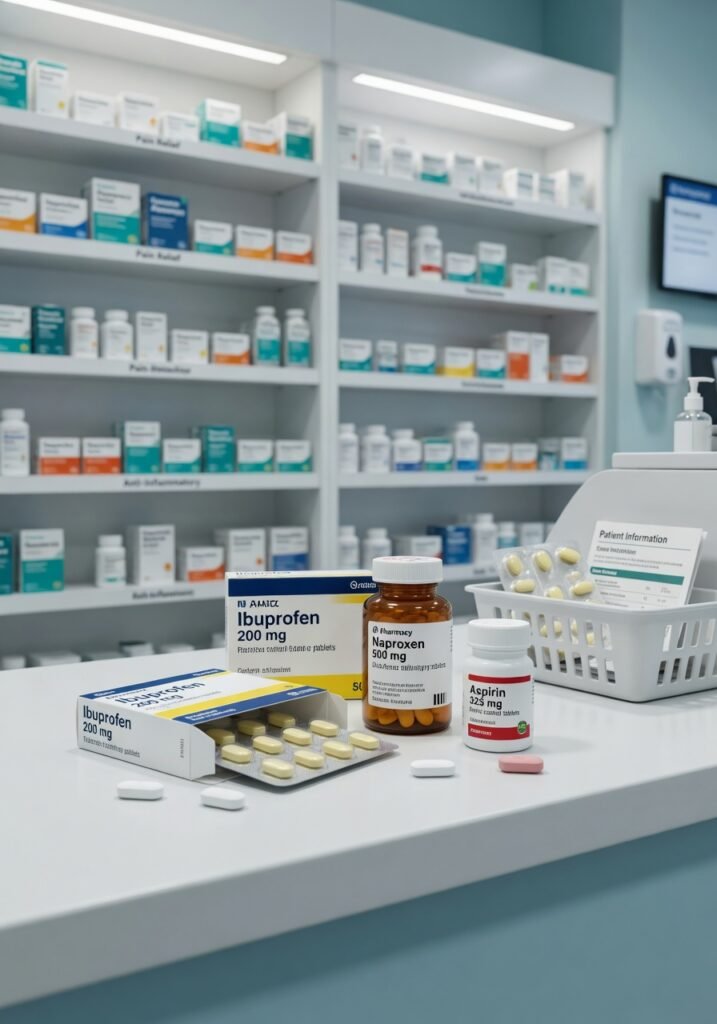

NSAIDs: What You Think You Know About Pain Relief Is Probably Wrong
Sarah, a 52-year-old accountant, had been taking ibuprofen 400mg three times daily for her knee arthritis for nearly two years. She believed NSAIDs were safe because they’re available over-the-counter and she’d never experienced obvious side effects. Then during a routine physical, her doctor found she’d developed a gastric ulcer and her kidney function had declined by 18 percent—silent damage she never felt coming.
Most people treat NSAIDs like they treat aspirin: grab one when you need it, forget about it when you don’t. But here’s what actually matters: NSAIDs don’t just dull pain signals. They suppress the production of prostaglandins, hormone-like compounds that protect your stomach lining, regulate blood pressure, and maintain kidney function. This is why a medication that relieves your shoulder pain can simultaneously be damaging organs you never knew were at risk. The difference between safe use and dangerous use often comes down to specifics doctors wish more patients understood.
Key Facts About NSAIDs
- NSAIDs cause approximately 15,000 deaths annually in the United States among people with arthritis alone, according to research published in the American Journal of Gastroenterology—more deaths than from cervical cancer
- Long-term NSAID use increases gastrointestinal bleeding risk by 2-4 fold, with risk rising significantly after 3-6 months of continuous use
- Regular ibuprofen or naproxen consumption raises cardiovascular event risk (heart attack or stroke) by approximately 20-50 percent in patients over 60, per NIH cardiovascular safety data
- Chronic NSAID users have 1.5-2 times higher risk of acute kidney injury, with risk escalating in those with existing hypertension or diabetes
- NSAIDs reach peak blood concentration in 30-60 minutes for immediate-release formulations, but gastrointestinal damage can occur even from short-term use at high doses
Understanding How NSAIDs Actually Work
Think of prostaglandins as your body’s internal security system. They patrol your stomach lining, keeping the acid from eroding the tissue beneath. They also maintain the narrow blood vessels in your kidneys, ensuring steady filtration. They regulate inflammation throughout your body. When you take an NSAID—whether it’s ibuprofen, naproxen, or indomethacin—you’re essentially silencing that security system.
NSAIDs block cyclooxygenase (COX) enzymes, which manufacture prostaglandins. This stops the inflammatory cascade that causes pain and swelling. The problem? Your body can’t distinguish between “prostaglandins causing my knee to hurt” and “prostaglandins protecting my stomach and kidneys.” So while your pain decreases—often dramatically—your GI tract becomes vulnerable and your kidney perfusion declines. This is why NSAIDs work so well for acute pain but become riskier the longer you take them.
Different NSAIDs have different selectivity for COX-1 and COX-2 enzymes. Naproxen (Aleve) is less selective and hits both hard. Celecoxib (Celebrex) targets COX-2 preferentially, which theoretically spares the stomach—but doesn’t eliminate cardiovascular risk. This nuance matters clinically, which is why your doctor should be choosing your specific NSAID based on your personal health profile, not just what’s cheapest at the pharmacy.
Who’s Actually at Higher Risk When Taking NSAIDs
Age matters more than most people realize. If you’re over 65, your stomach lining regenerates more slowly, so ulcers take longer to heal. Your kidneys are already losing about 1 percent of their filtering capacity annually, so NSAIDs hit harder. If you’re taking a diuretic for blood pressure, NSAIDs interfere with how it works, and suddenly your blood pressure control falls apart.
Previous ulcer history, even decades ago, is a major red flag. Your stomach wall remains structurally weaker, and re-ulceration happens faster. Current aspirin use—even low-dose—combined with any NSAID dramatically increases bleeding risk; they work synergistically to thin your blood and weaken gastric protection. Helicobacter pylori infection, which affects roughly 30-40 percent of Americans over 60, makes ulcers almost inevitable with regular NSAID use.
Here’s what gets overlooked: corticosteroid use alongside NSAIDs. Prednisone or methylprednisolone already compromise your stomach lining and immune function. Adding NSAIDs on top creates a compounding effect. If you’re taking a corticosteroid, even periodically, NSAIDs should require explicit physician approval and probably gastroprotection. Chronic kidney disease, diabetes, and heart failure all reduce your safety margin with NSAIDs because these conditions depend on prostaglandins for organ function. The patient with stable congestive heart failure and mild arthritis pain faces a genuine tradeoff that requires careful discussion—NSAIDs can destabilize fluid balance in those with weakened cardiac function.
What Patients Actually Experience: The Warning Signs
Most people know about the obvious GI symptoms: heartburn, nausea, stomach pain. But the dangerous problems often start silently. Subtle black or tarry stools might appear weeks into regular NSAID use—this is blood in your stool, a sign of GI bleeding. You might not notice unless you’re paying attention. Unexplained fatigue can indicate chronic bleeding causing anemia. Shortness of breath with minimal exertion might mean your kidney function has declined enough to cause fluid retention.
Swelling in your ankles and lower legs, especially if it appears or worsens shortly after starting an NSAID, suggests fluid retention from reduced kidney function. High blood pressure readings, previously stable, can spike because NSAIDs interfere with antihypertensive medications. Some patients report a strange sensation of their heartbeat becoming irregular or fluttering—this warrants immediate medical attention, not dismissal.
The early warning sign doctors wish patients would recognize: incremental changes in baseline function. Your usual 2-mile walk leaves you breathless. Your wedding ring suddenly fits tighter. Your usual blood pressure reading climbs 10-15 points higher than your baseline. These aren’t dramatic, but they’re your body signaling that prostaglandins are being depleted faster than they should be.
How Doctors Determine If NSAIDs Are Causing Problems
Your doctor won’t just ask how much ibuprofen you’re taking and nod. They’ll order specific tests: a basic metabolic panel to assess kidney function (looking specifically at creatinine and estimated glomerular filtration rate), a complete blood count to detect anemia from GI bleeding, and possibly liver function tests since NSAIDs can affect hepatic metabolism. If you have cardiac risk factors, an EKG might be warranted because NSAIDs increase cardiovascular event risk.
The clinical decision involves integrating these results with your personal history. Kidney function decline of 15-20 percent might be acceptable for short-term NSAID use but argues against long-term therapy. An elevated creatinine combined with NSAID use might prompt a shift to alternative pain management. If your complete blood count shows a hemoglobin drop of 1-2 grams per deciliter over months of NSAID use, that’s chronic GI bleeding until proven otherwise.
Upper endoscopy—where a camera examines your stomach and duodenum—becomes necessary if you’ve had alarming symptoms or if GI bleeding is suspected. This directly visualizes whether an ulcer has formed. Patients often worry this is invasive; it’s actually quite safe under sedation and provides definitive answers that no blood test can offer.
Effective Treatment Alternatives and Modifications
If you need pain relief but NSAIDs aren’t safe for you, several evidence-supported options exist. Acetaminophen (Tylenol) up to 3,000mg daily provides analgesia without prostaglandins suppression, though it carries its own hepatic risks if combined with alcohol. It works better for mild to moderate pain and poorly for inflammatory conditions.
Topical NSAIDs—diclofenac or indomethacin creams applied directly to the affected joint—deliver pain relief locally with minimal systemic absorption. Studies show these work remarkably well for knee or hand arthritis while bypassing GI and renal risks. Some insurance plans cover these; others don’t, unfortunately.
If you truly need NSAIDs, gastric protection becomes mandatory. Proton pump inhibitors like omeprazole or pantoprazole taken daily reduce NSAID-related ulcer risk by roughly 70-80 percent. The standard approach for high-risk patients is naproxen 500mg twice daily paired with omeprazole 20mg daily. Some patients tolerate this indefinitely; others find that 4-6 weeks of NSAID therapy followed by a medication-free interval works better for their situation.
Muscle relaxants like cyclobenzaprine help with musculoskeletal pain. Physical therapy produces durable results for arthritis pain, though it requires weeks of consistent effort—people often abandon it too early. Selective serotonin-norepinephrine reuptake inhibitors like duloxetine have evidence for chronic pain conditions and avoid NSAID complications entirely.
Practical Daily Strategies for Safe NSAID Use
Never take NSAIDs on an empty stomach. Food slows absorption and reduces direct gastric exposure. Take ibuprofen with a meal, not an hour before. If you’re prone to reflux, take it with an antacid or with a proton pump inhibitor.
Use the lowest effective dose for the shortest duration necessary. If 200mg ibuprofen controls your pain, don’t take 400mg because it’s available. Naproxen 220mg works adequately for many people and avoids the higher doses associated with greater risk. Check the label—some over-the-counter products contain hidden NSAIDs combined with acetaminophen or other drugs, and stacking them dangerously increases your intake.
Space out doses appropriately. Don’t take ibuprofen every 4 hours continuously for weeks. Use it as needed, genuinely, or shift to alternatives. If you’re taking NSAIDs more than three days weekly consistently, discuss with your doctor whether long-term use is appropriate for your specific condition.
Stay hydrated. NSAIDs’ effects on kidney function worsen when you’re dehydrated. Drink adequate water, especially if you exercise or spend time in heat. Monitor your blood pressure regularly, especially if you have baseline hypertension; NSAIDs can raise it meaningfully. Keep a simple log if you take NSAIDs frequently—date, dose, and time help your doctor identify patterns.
Prevention and Risk Reduction
The evidence supports aggressive non-NSAID pain management when possible. Weight loss in overweight patients reduces knee arthritis pain substantially—studies show 5-10 pounds of weight loss reduces knee pain by roughly 20 percent without the medication risks. Regular low-impact exercise like swimming or cycling strengthens supporting muscles and reduces pain over weeks to months.
If you have risk factors for NSAID complications—age over 65, previous ulcer, concurrent aspirin use, or chronic kidney disease—avoid NSAIDs entirely if possible. This isn’t extreme caution; it’s risk stratification. The tradeoff of short-term pain relief against possible hospitalization for GI bleeding or acute kidney injury doesn’t favor NSAIDs for many patients.
Screening for H. pylori infection makes sense if you’re considering regular NSAID use. Eradication therapy—typically triple or quadruple combinations of antibiotics and bismuth—eliminates your ulcer risk substantially. This is a one-time intervention that removes one major risk factor permanently.
Frequently Asked Questions About NSAIDs
Sources & Medical References
HealthTopics.com articles are based on peer-reviewed medical research and guidance from the NIH, CDC, and WHO. See our editorial policy for full sourcing standards.