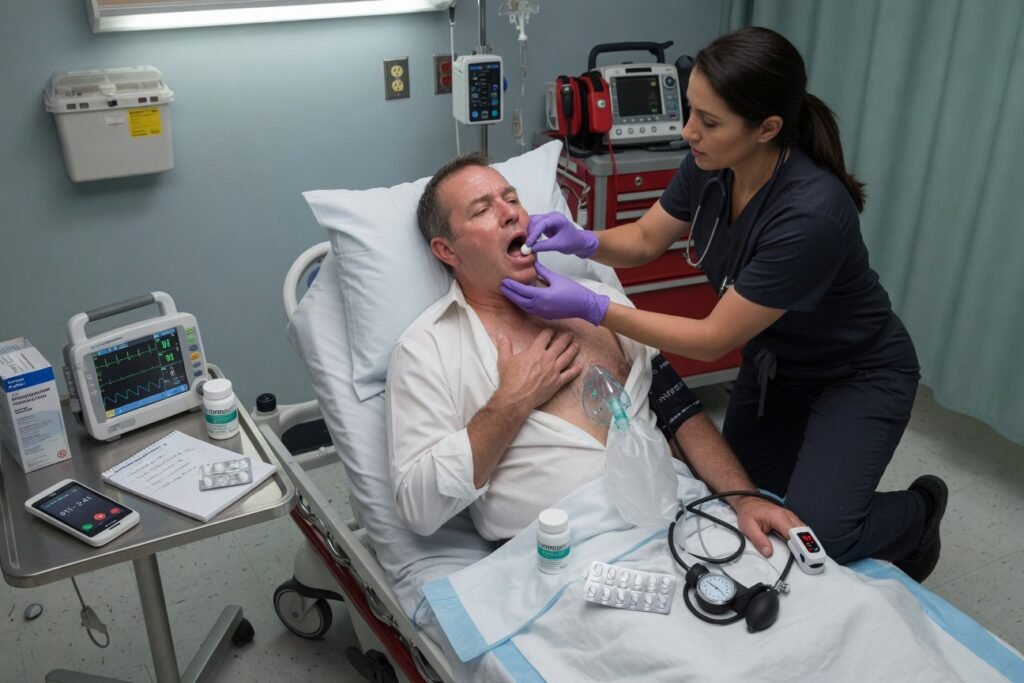
Heart Attack First Aid: Before the Ambulance Arrives
Most people think a heart attack feels like what they’ve seen in movies—sudden, dramatic, unmistakable chest pain that drops you to your knees. The reality? Sarah, a 52-year-old accountant I treated last year, felt a vague pressure in her jaw and shoulder blade while sitting at her desk. She almost didn’t call 911. She thought she’d slept wrong. Meanwhile, her left anterior descending artery was 95% blocked, and she had roughly four minutes before the lack of oxygen would begin permanently damaging her heart muscle. What separates survival from catastrophic outcomes in those first moments isn’t luck—it’s knowing what your body is actually telling you, and acting on it immediately.
The difference between a heart attack that leaves you with minimal damage and one that devastates your heart function often comes down to minutes, not hours. According to the CDC, approximately 805,000 Americans suffer a heart attack each year, and about 1 in 5 are silent—meaning the person didn’t even realize what was happening. This article covers what you genuinely need to know to recognize a heart attack and provide effective first aid before emergency responders arrive.
Key Facts About Heart Attacks
- The average time from symptom onset to hospital arrival is 3-6 hours, but irreversible heart muscle damage begins within 20-40 minutes of complete blockage (JAMA Cardiology, 2022)
- Women are 1.5 times more likely than men to delay seeking treatment after a heart attack, partly due to atypical symptom presentations
- Approximately 34% of heart attack patients experience prodromal symptoms (unusual fatigue, shortness of breath, chest discomfort) days or weeks before the acute event
- Calling 911 directly rather than driving yourself reduces in-hospital mortality by approximately 20% because paramedics can initiate treatment en route
- Aspirin given within the first hour of symptom onset reduces mortality risk by roughly 23% (NIH data from acute coronary syndrome trials)
What Actually Happens During a Heart Attack
Think of your coronary arteries like water pipes delivering blood to your heart muscle. Most heart attacks happen when plaque buildup inside one of these arteries ruptures. When plaque breaks open, your body treats it like an injury and deploys clotting factors to seal the breach—except the “seal” completely blocks the pipe. Oxygen-rich blood can’t reach the downstream heart muscle. Within minutes, those oxygen-starved cells begin to die. Unlike other parts of your body that can regenerate, heart muscle cells don’t come back. Dead heart tissue becomes scar tissue, which reduces your heart’s pumping efficiency permanently.
What makes this particularly insidious is that the plaque buildup causes no pain or symptoms for years. You could have 70% blockage and feel absolutely fine because collateral blood vessels sometimes develop and provide an alternate route. It’s only when a blockage reaches critical levels—usually 85% or higher—that you might notice exertional chest pain. And it’s only when blockage becomes total that you have a heart attack.
Causes and Risk Factors You Need to Know
The traditional risk factors everyone mentions—smoking, high cholesterol, hypertension, diabetes, obesity, sedentary lifestyle, and family history—absolutely matter. If you have three or more of these, your risk climbs significantly. The NIH notes that smoking alone triples your heart attack risk, and high blood pressure without treatment increases it roughly fivefold.
Here’s what most articles skip: chronic psychological stress and depression are independent risk factors that rival traditional ones in their impact. A patient with depression has roughly a 40% higher risk of heart attack compared to someone without depression, even after controlling for other variables. Why? Chronic stress triggers sustained elevation of cortisol and adrenaline, which increases inflammation in arteries, promotes clot formation, and causes the heart muscle itself to become stiffer and less efficient.
Also underappreciated: erectile dysfunction in men often precedes a heart attack by 2-5 years. The same endothelial dysfunction causing ED is occurring in coronary arteries. It’s an early warning system most men ignore out of embarrassment.
Recognizing the Actual Symptoms
Classic textbook symptom: crushing substernal chest pain radiating to the left arm. Real-world symptom? Everything else.
A significant portion of heart attacks present without chest pain at all. You might experience sudden-onset shortness of breath with minimal exertion, persistent nausea or vomiting, unexplained fatigue that feels different from your usual tiredness, jaw pain or dental discomfort, pressure between your shoulder blades, or abdominal pain mistaken for indigestion. Some people describe it as an elephant sitting on their chest. Others feel a vague, dull pressure they initially attribute to stress.
Women especially often report atypical presentations: extreme fatigue, upper back or neck pain, difficulty breathing, and nausea rather than chest pain. One study found that women experiencing a heart attack were four times more likely than men to describe the symptom as “pressure” rather than “pain.”
The overlooked early warnings? In the days or weeks before an acute event, watch for unusual fatigue that doesn’t improve with rest, new-onset shortness of breath with normal activity, or chest discomfort that comes and goes with exertion but resolves with rest. These are prodromal symptoms. They mean your coronary arteries are compromised.
Diagnosis: What Happens in the Hospital
When you arrive at the ED with suspected acute coronary syndrome, paramedics and nurses will immediately obtain a 12-lead electrocardiogram (EKG)—this takes about 60 seconds and shows electrical changes in your heart muscle. They’ll draw blood to check troponin levels, a protein released when heart muscle dies. The first troponin measurement might be normal because the damage is so recent, so they repeat it 3 hours later. A rising troponin confirms a heart attack.
You’ll also receive a chest X-ray and possibly an echocardiogram to visualize your heart’s function. The most critical diagnostic tool is coronary angiography, where cardiologists thread a catheter through your arteries and inject contrast dye to visualize exactly where blockages are located. This isn’t just diagnostic—during angiography, they can immediately perform percutaneous coronary intervention (PCI), placing a stent to reopen the artery.
First Aid Before Ambulance Arrival
Stop what you’re doing immediately. Do not drive yourself. Do not wait to see if symptoms pass. Do not call your primary care doctor.
Call 911. Tell the dispatcher you suspect a heart attack. Paramedics can initiate treatment in the ambulance—they can provide oxygen, establish IV access, administer medications, and perform defibrillation if your heart develops a dangerous rhythm.
Chew aspirin. If you don’t have a documented aspirin allergy, chew (don’t swallow whole) 325 mg of regular aspirin. Chewing bypasses first-pass metabolism and gets the drug into your system faster. This reduces clot formation.
Sit or lie down. Don’t exert yourself further. Assume a position that feels most comfortable.
Loosen tight clothing. Remove belts, tight shirts—anything constricting your chest.
Have nitroglycerin? If you’ve been prescribed it, take one sublingual tablet now. Wait 5 minutes. If chest pain persists, take a second dose. Never exceed three doses before paramedics arrive.
Stay calm if possible. Anxiety increases heart rate and oxygen demand. Focus on steady breathing—in through your nose for a count of four, out through your mouth for six.
Unlock your door. When paramedics arrive, they shouldn’t waste time breaking in. If you live alone, consider texting or calling a neighbor.
Treatment: What Happens Next
Time-to-treatment is everything. The medical standard is “door-to-balloon” time—the time from hospital arrival to opening the blocked artery—ideally 90 minutes or less. Studies show that every 30-minute delay increases 1-year mortality by roughly 7-8%.
For ST-elevation myocardial infarction (STEMI, the most severe type), primary PCI is the gold standard. A cardiologist performs emergent angiography and places a drug-eluting stent to restore blood flow. You’ll receive dual antiplatelet therapy: aspirin plus a P2Y12 inhibitor like clopidogrel (Plavix), prasugrel (Effient), or ticagrelor (Brilinta). You’ll also receive heparin or another anticoagulant, beta-blockers like metoprolol to reduce heart workload, and ACE inhibitors like lisinopril to prevent progressive heart failure.
For non-STEMI cases with less severe blockage, the cardiologist might use medical management initially: the same antiplatelet and anticoagulant drugs, plus high-intensity statins like atorvastatin 80 mg daily, then proceed to catheterization within 24-48 hours if appropriate.
Managing Your Heart After an Attack
Recovery isn’t just about taking medications. Within the first week, you’ll start cardiac rehabilitation—supervised exercise programs that gradually rebuild your heart’s strength. Typically you’ll attend three sessions weekly for 12 weeks. Wear a heart monitor during sessions so clinicians can track your response.
At home: take your medications exactly as prescribed. Missing doses of aspirin or your beta-blocker or ACE inhibitor increases your risk of another event. Use a pill organizer or set phone reminders if you struggle with adherence.
Exercise matters enormously. Start with what your cardiologist recommends, typically walking 20-30 minutes most days, gradually increasing intensity. Aerobic exercise reduces repeat event risk by roughly 25%.
Diet changes are non-negotiable. A Mediterranean diet—olive oil, fish, whole grains, vegetables, nuts—reduces recurrent heart attack risk by about 30% compared to a standard Western diet. Limit sodium to under 2,000 mg daily if you’re developing heart failure symptoms.
Sleep: aim for 7-9 hours nightly. Poor sleep increases inflammation and clot risk.
Prevention: What the Evidence Actually Shows
If you haven’t had a heart attack, prevention is straightforward on paper, harder in practice. Control blood pressure to under 130/80 (the 2017 ACC/AHA guidelines). Use statins if you have an estimated 10-year cardiovascular risk above 7.5%—ask your doctor to calculate yours using the pooled cohort risk calculator.
Don’t smoke. If you do, quitting reduces your risk within months.
Here’s the nuance: moderate alcohol consumption (one drink daily for women, one to two for men) correlates with slightly lower heart attack risk than abstinence or heavy drinking—but this doesn’t mean you should start drinking if you don’t already. The cardioprotective effect is small and easily negated if you exceed moderate amounts.
Manage diabetes aggressively. Uncontrolled diabetes accelerates atherosclerosis. Target an HbA1c below 7% for most people.
Consider aspirin for primary prevention only if you’re age 40-59 with high 10-year cardiovascular risk and no bleeding history—the benefit is modest and comes with bleeding risk.
Frequently Asked Questions
Can you have a heart attack without chest pain?
Yes. Approximately 30-45% of heart attack patients, especially women and
Sources & Medical References
HealthTopics.com articles are based on peer-reviewed medical research and guidance from the NIH, CDC, and WHO. See our editorial policy for full sourcing standards.