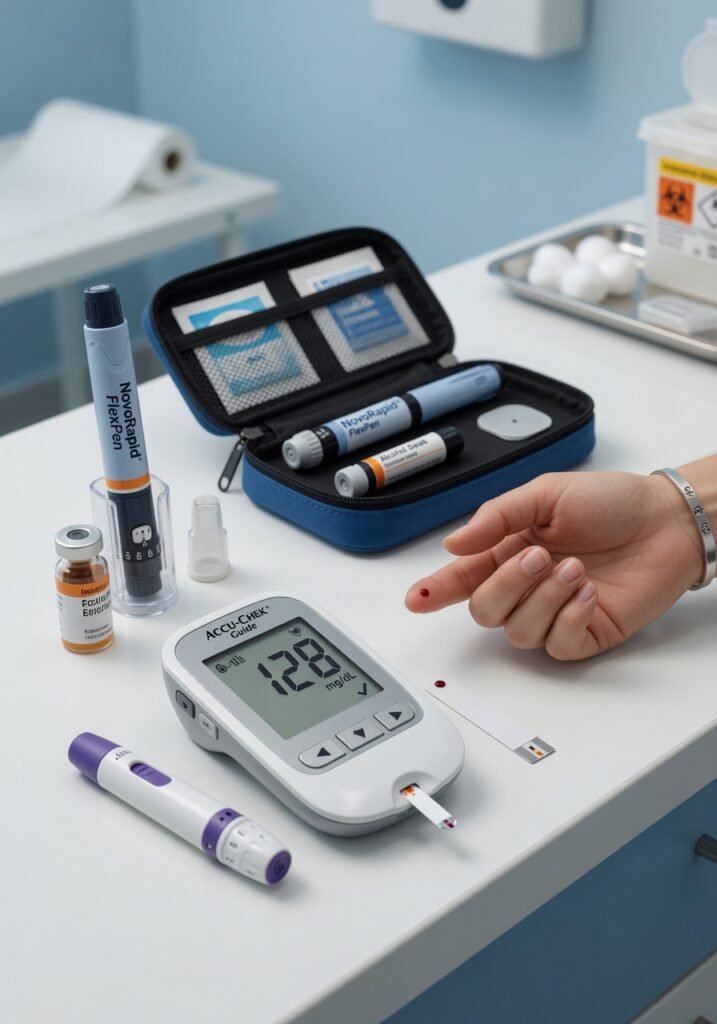
Maria was 19 when she woke up one morning unable to stop drinking water. Her parents assumed she was just thirsty. But within three days, she was in the ER with diabetic ketoacidosis, a condition most people think only happens to children with type 1 diabetes. Here’s what most people get wrong: type 1 diabetes isn’t some childhood disease that you either get early or never get at all. It’s an autoimmune condition that can strike people in their teens, twenties, thirties, or even beyond, often masquerading as dehydration or the flu until it becomes an emergency. Medical experts have long known that roughly 25 percent of people diagnosed with type 1 diabetes are actually adults over 30 when they get diagnosed, yet the public imagination still treats it like a kid’s disease. That misconception costs people time, delays diagnosis, and sometimes lands them in the hospital.
Key Facts About Type 1 Diabetes
- Type 1 diabetes affects approximately 1.6 million Americans, with about 187,000 children and adolescents having the disease, according to CDC data from 2023
- The pancreas produces zero or near-zero insulin in type 1 diabetes, unlike type 2 where insulin production decreases gradually
- Approximately 5-10 percent of all diabetes cases are type 1, making it far less common than type 2, yet it accounts for about 15 percent of diabetes-related deaths due to its severity
- New diagnosis rates have been climbing 2-3 percent per year in wealthy nations, with reasons still not fully understood by immunologists
- People with type 1 diabetes have a life expectancy roughly 10-15 years shorter than people without diabetes when not properly managed, though tight glucose control can narrow this gap significantly
Understanding Type 1 Diabetes: What’s Really Happening Inside
Imagine your immune system as a security team protecting a building. In type 1 diabetes, the security team gets confused and starts attacking the building’s power generators—your pancreatic beta cells—thinking they’re invaders. Once those cells are destroyed, they don’t come back. Unlike type 2 diabetes, where the pancreas still makes insulin but cells can’t use it properly, type 1 means your pancreas essentially surrenders. It can’t manufacture the hormone your body needs to move glucose into cells.
The destruction happens slowly in most adults and rapidly in children. Some people have a genetic predisposition, but genetics alone doesn’t cause the disease—an environmental trigger (possibly a viral infection, a dietary factor, or something else researchers haven’t pinpointed yet) flips the switch and your immune system launches an attack on itself. Within weeks or months, enough beta cells are damaged that blood sugar starts climbing dangerously.
What Causes Type 1 Diabetes and Who Gets It
Type 1 is fundamentally autoimmune, which means your body’s defense system misfires. Researchers have identified specific genes—HLA-DR3 and HLA-DR4 among the strongest—that increase susceptibility. But having these genes doesn’t guarantee you’ll develop the disease. About 30-50 percent of the general population carries these genetic markers without ever developing diabetes.
The environmental triggers are harder to pin down. Enterovirus infections early in life appear on the list. Some research published in the journal Diabetes in 2019 suggested early exposure to cow’s milk formula (specifically a protein called bovine serum albumin) might increase risk in genetically vulnerable infants, though this remains debated. Vitamin D deficiency in childhood has correlations with increased risk, though causation hasn’t been proven.
Here’s what many articles skip: having another autoimmune condition substantially raises your risk. If you have Graves’ disease, celiac disease, or rheumatoid arthritis, your chances of developing type 1 diabetes are measurably higher. Conversely, some infections seem protective—certain parasitic infections and bacterial exposures appear to train the immune system in ways that reduce autoimmune disease risk overall. This is part of the “hygiene hypothesis” that gets oversimplified in most health articles.
Recognizing the Signs and Symptoms
The classic presentation comes on suddenly. Excessive thirst (polydipsia), frequent urination especially at night, fatigue that feels crushing, and unexplained weight loss despite eating more happen within days to weeks. But here’s what catches people off guard: the weight loss is real and noticeable. People lose 10-20 pounds in a month sometimes because their cells are starving for glucose even as blood sugar soars—the glucose can’t get inside the cells without insulin.
Blurred vision appears early because high blood sugar pulls fluid from the lens of your eye. Irritability and mood changes happen because your brain doesn’t have reliable fuel. Some adults dismiss these symptoms as stress or a lingering virus for too long.
The overlooked early warning sign that radiologists and lab technicians notice before patients do: fruity-smelling breath. This indicates ketones in your bloodstream—your body’s desperate attempt to fuel itself by breaking down fat. If you smell that, or someone describes your breath that way, that’s not gum disease; that’s a metabolic emergency developing.
How Doctors Actually Diagnose Type 1 Diabetes
Your doctor will start with a fasting blood glucose test. A level above 126 mg/dL on two separate occasions meets diagnostic criteria. The random glucose test (checking blood sugar any time of day) showing 200 mg/dL or higher with symptoms also clinches the diagnosis. The hemoglobin A1C test shows your average blood sugar over three months—6.5 percent or higher is diagnostic.
But here’s what makes type 1 different: your doctor will likely order antibody testing. Specifically, they’re looking for glutamic acid decarboxylase 65 (GAD65) antibodies, islet antigen 2 (IA-2) antibodies, and insulin autoantibodies (IAA). These prove your immune system is attacking your own pancreas. This test distinguishes type 1 from type 2 definitively, which matters enormously for treatment.
C-peptide testing during diagnosis tells you how much native insulin your pancreas is still producing. If it’s very low or undetectable, you’ve lost most of your beta cells already. Some patients caught early (within weeks of symptom onset) still have measurable C-peptide production, which means they’re in what’s called the “honeymoon period.”
Current Treatment Options for Type 1 Diabetes
Insulin is non-negotiable. You cannot reverse type 1 diabetes or manage it without insulin because your pancreas cannot produce it. The question isn’t whether to take insulin but which type and delivery method works best for you.
Most people now use a combination of basal and bolus insulin. Basal insulin is long-acting—medications like glargine (Lantus), degludec (Tresiba), or detemir (Levemir)—taken once or twice daily to keep baseline blood sugar stable. Bolus insulin is rapid-acting, taken with meals or to correct high blood sugar. Lispro (Humalog), aspart (NovoLog), and glulisine (Apidra) work within 15 minutes and peak within an hour.
Insulin pumps deliver insulin continuously through a catheter, allowing more precise dosing and flexibility. Continuous glucose monitors (CGMs) like Dexcom or FreeStyle Libre have changed management dramatically by showing real-time glucose trends rather than just snapshots. Many people combine a pump with a CGM for optimal control.
Newer medications called GLP-1 receptor agonists (semaglutide, dulaglutide) are sometimes prescribed alongside insulin to reduce insulin requirements and help with weight management in type 1 patients, though they’re not replacements for insulin.
Managing Type 1 Daily: Concrete Strategies That Actually Work
Carbohydrate counting is essential. You need to know how many grams of carbs are in each meal to dose insulin appropriately. Most people benefit from a registered dietitian certified in diabetes education (CDCES) who can teach you insulin-to-carb ratios specific to your body—usually something like 1 unit of insulin per 10-15 grams of carbs, but this varies widely.
Check your blood sugar before driving. Hypoglycemia (low blood sugar) impairs judgment and reaction time just like alcohol does. If you’re below 100 mg/dL and heading out, eat something first.
Keep fast-acting carbs everywhere—glucose tablets, juice packets, or gummy candies. Low blood sugar episodes can strike suddenly, and you need to raise your glucose within minutes. Regular food takes too long to work.
Stress management matters more than most articles acknowledge. Stress hormones like cortisol and adrenaline raise blood sugar substantially and can trigger brittle diabetes (wildly unpredictable blood sugars). Exercise, sleep, and mental health support aren’t nice-to-haves; they’re part of treatment.
Schedule regular visits with an endocrinologist, not just your primary care doctor. Endocrinologists understand the nuances of insulin adjustment and can help you achieve better glucose control than generalists typically can.
Can Type 1 Diabetes Be Prevented
Once autoimmunity launches, current medicine cannot stop it. No medication, diet, or lifestyle intervention can reverse the immune attack once it’s underway. That’s not pessimism; that’s just what the evidence shows.
Prevention in people with genetic risk but no disease is a different question. The TEDDY study (Type 1 Diabetes Prediction and Prevention) followed at-risk children and found that vitamin D supplementation might reduce risk slightly, and certain early dietary introductions showed mixed results. But no intervention has proven reliably preventive in a real-world setting.
Your best strategy if type 1 runs in your family: know the early warning signs, get tested if you notice unexplained thirst or weight loss, and understand that catching it before severe ketoacidosis develops makes a meaningful difference in your immediate outcomes.
Frequently Asked Questions
Sources & Medical References
HealthTopics.com articles are based on peer-reviewed medical research and guidance from the NIH, CDC, and WHO. See our editorial policy for full sourcing standards.